You will receive your code within 24 hours at the latest*


You will receive your code within 24 hours at the latest*
Two features distinguish it, and both are visible at first glance.
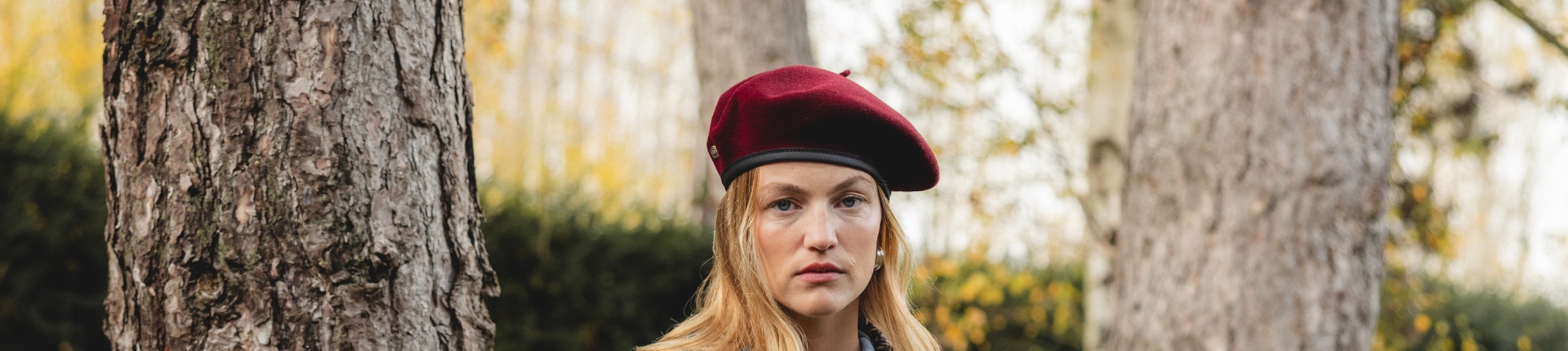
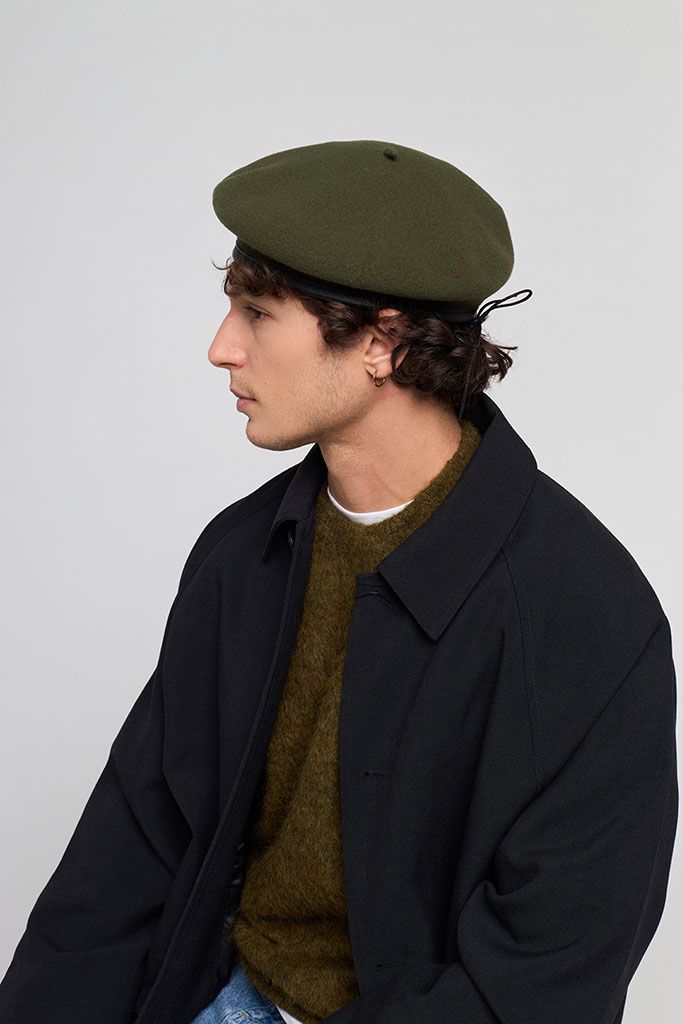
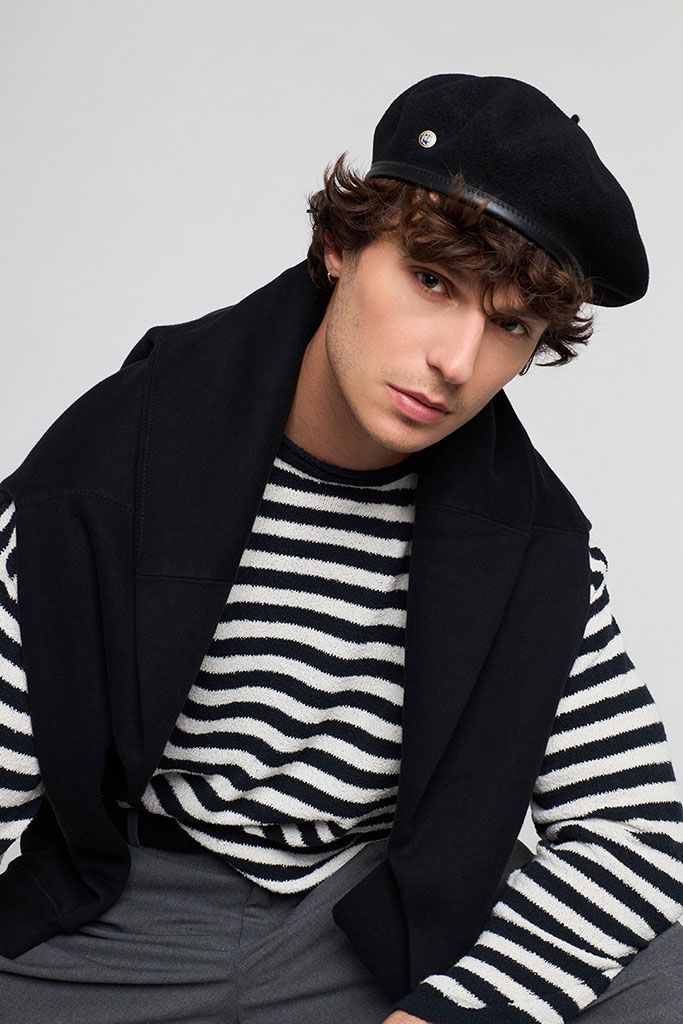
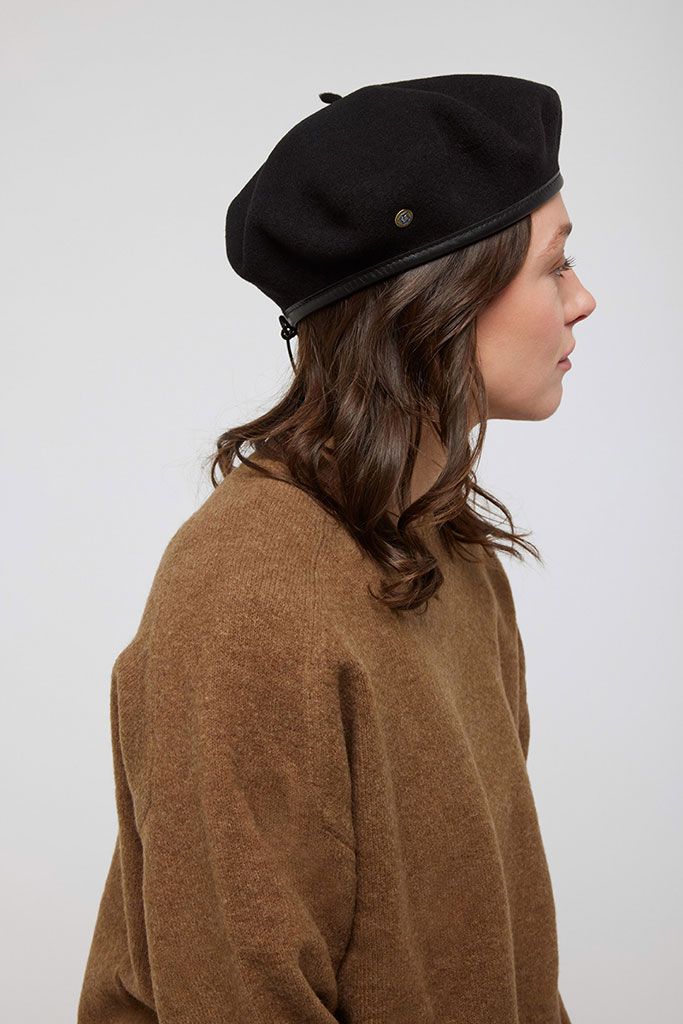
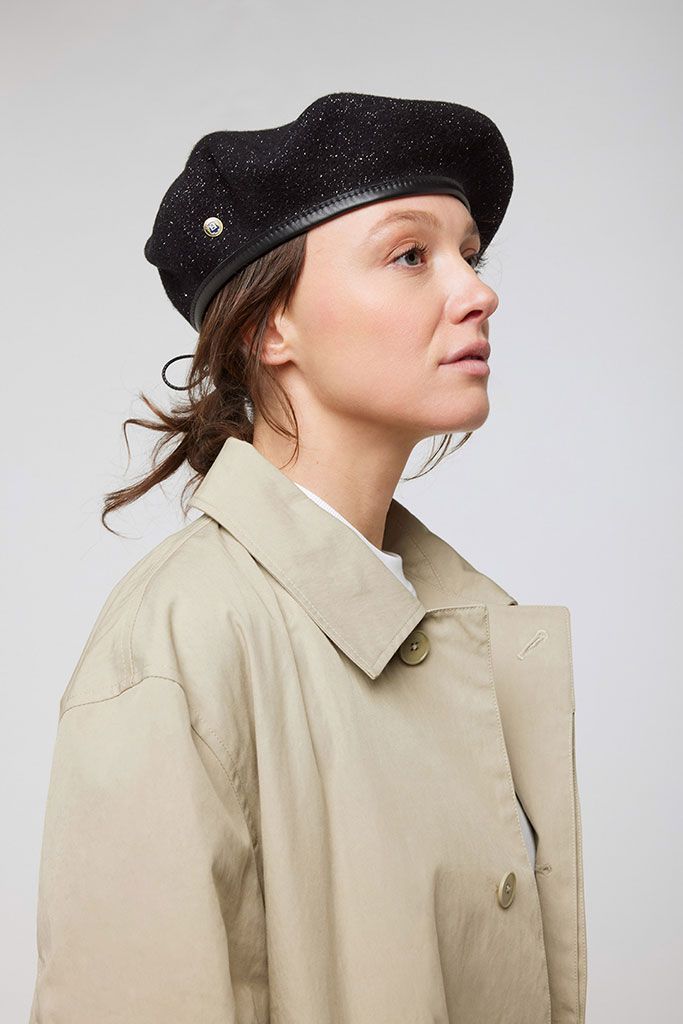
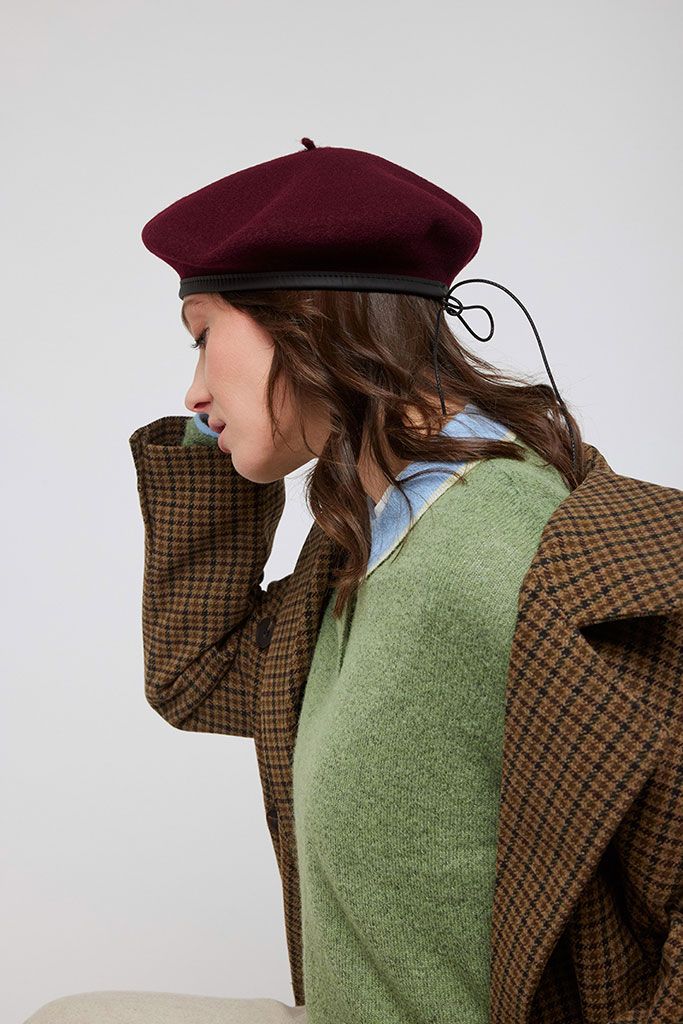
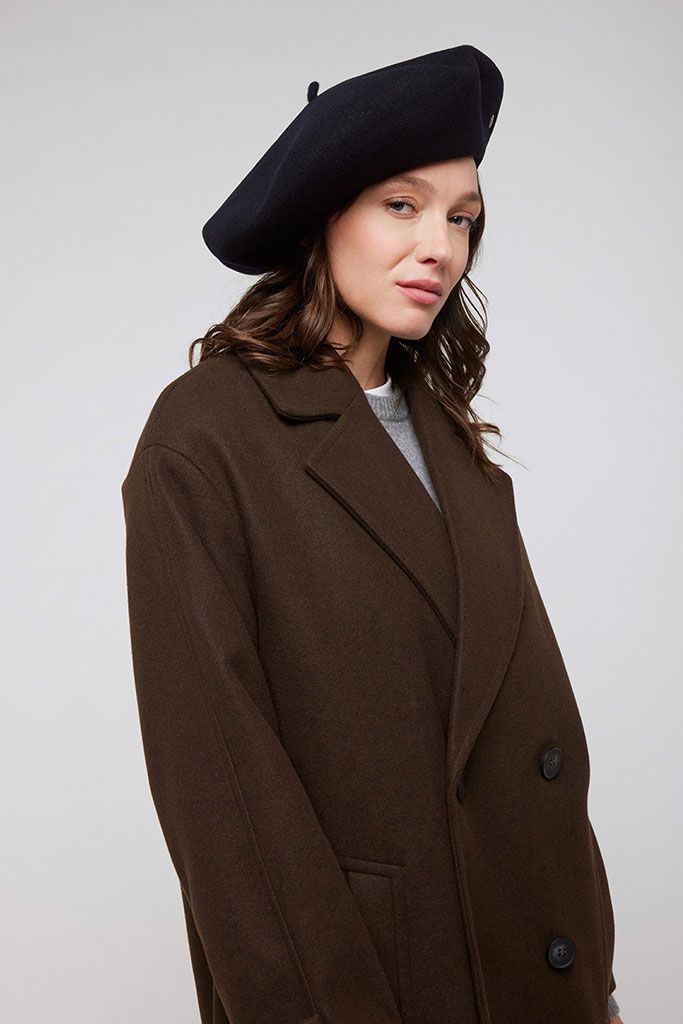
First, the way it is worn. A military beret does not sit flat on the head. It is tilted clearly to one side, leaving the opposite ear uncovered. This commando-style position, inherited from military regulations, gives it a more assertive silhouette than a beret worn straight.
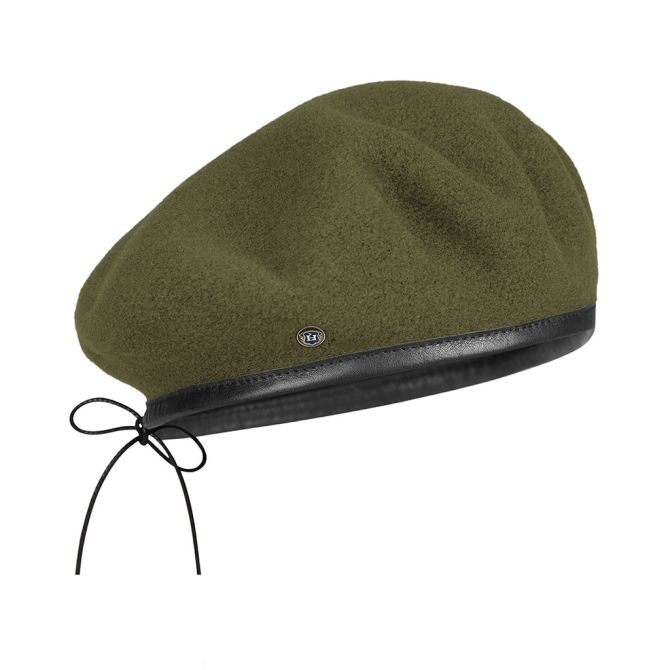
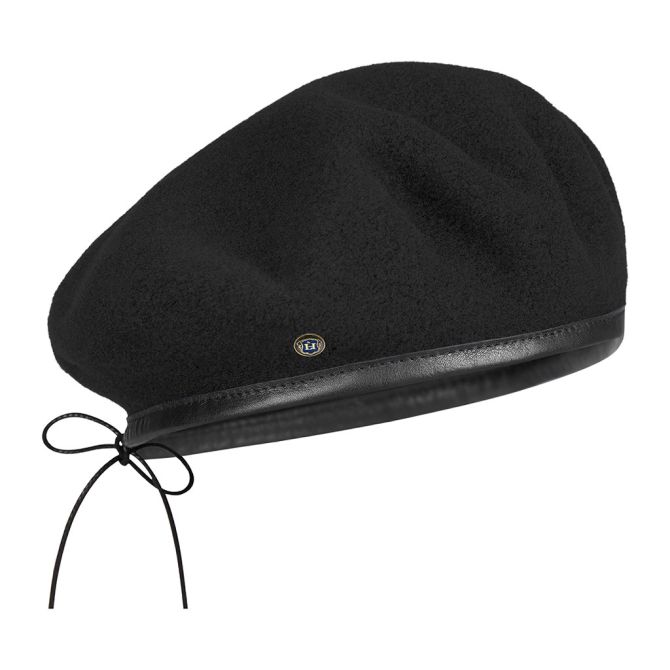
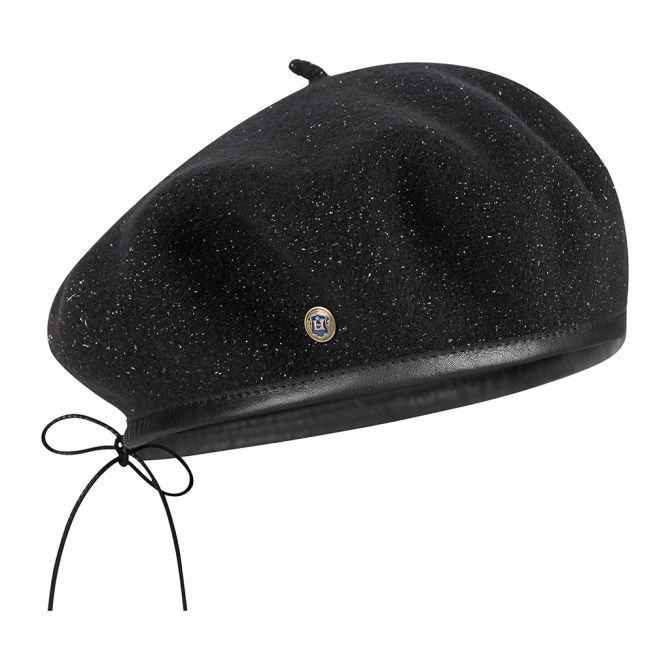
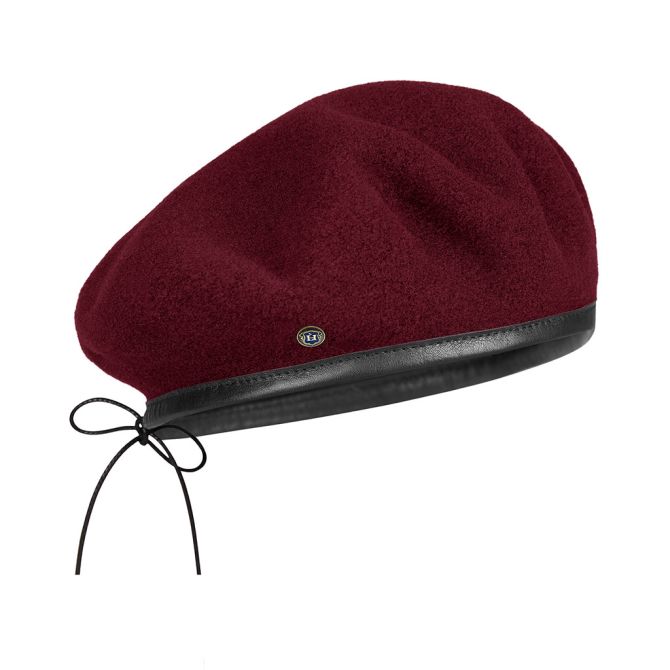
Then come the finishes. The leather headband, completed with a strap and adjustment cord, preserves the signature construction of the traditional military beret. Originally a functional detail used to adjust the fit precisely, it has remained one of the style’s most recognisable features.
Everything else follows: clean lines and an absence of unnecessary detail inherited directly from the original uniform. It is an aesthetic born from function that has become an aesthetic in its own right.
One difference remains, although it cannot be seen here: the insignia. In the armed forces, the metal or fabric badge attached to the side identifies the regiment, branch or unit. It is what turns the beret into part of a uniform. Our designs remain unadorned, with no insignia or rank markings.
The beret entered the French army at the end of the 19th century with the Chasseurs Alpins, who adopted a large wool beret nicknamed the tarte, or “pie”. Its flexibility made it particularly practical: it could be folded and stored easily, provided protection from the cold and did not interfere with wearing a helmet.
The Second World War turned it into a recognisable symbol. Commando units and airborne troops adopted it, after which its use spread through armed forces around the world. Each force chose its own colour: green for the French Foreign Legion, amaranth for airborne troops, navy blue for the Troupes de marine and light blue for United Nations peacekeepers.
This history gave rise to the shape we make today in Oloron-Sainte-Marie, freed from its regulatory function but faithful to its original construction.
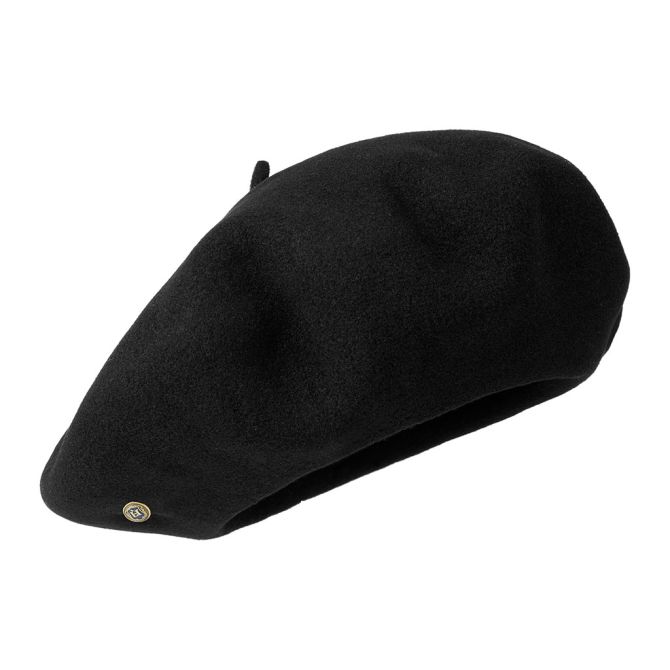
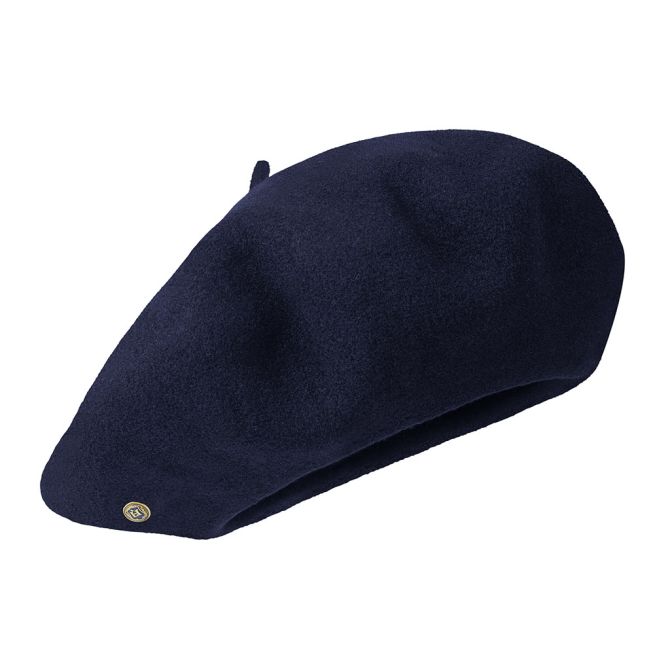
The shape, the way it is worn and the finishes. A classic beret sits flat, retains a round and understated shape, and can be worn either straight or tilted. A military beret is most often worn to one side and is especially recognisable by its leather headband, strap and adjustment cord.
The material remains the same. Our military berets are made from French merino wool, just like our traditional designs. Felted in our workshops, the wool is naturally water-repellent and contains no fluorinated treatments or PFAS.
The difference is therefore one of character, not quality: two ways of wearing the same wool.
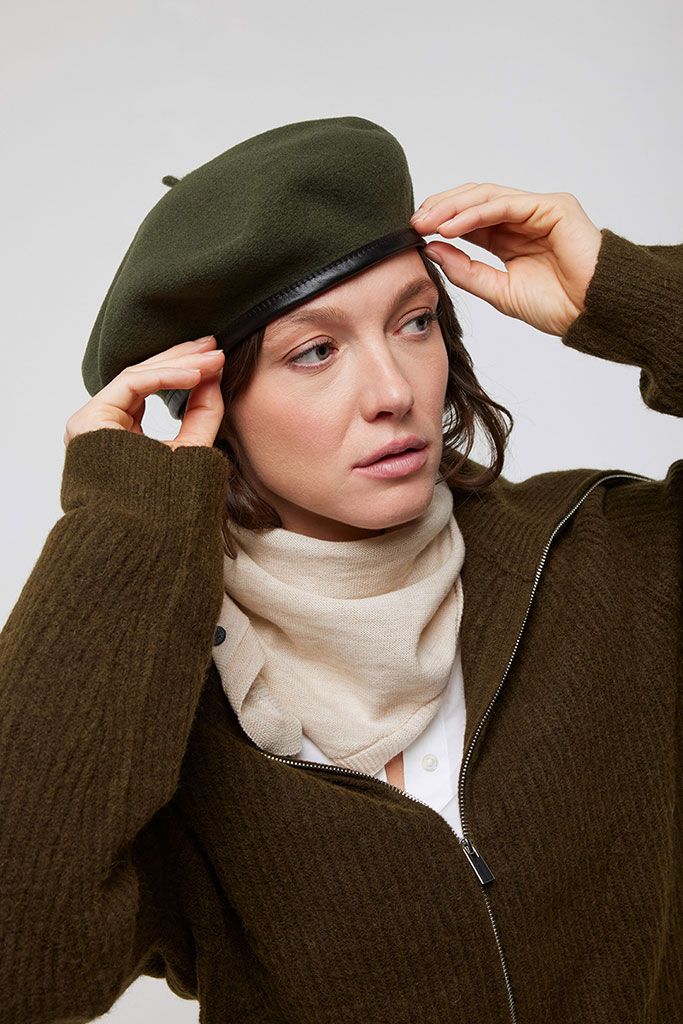
Tilted to one side: this is the position that gave the military beret its name and distinctive character. One ear remains uncovered, the line becomes more angular and the silhouette more assertive.
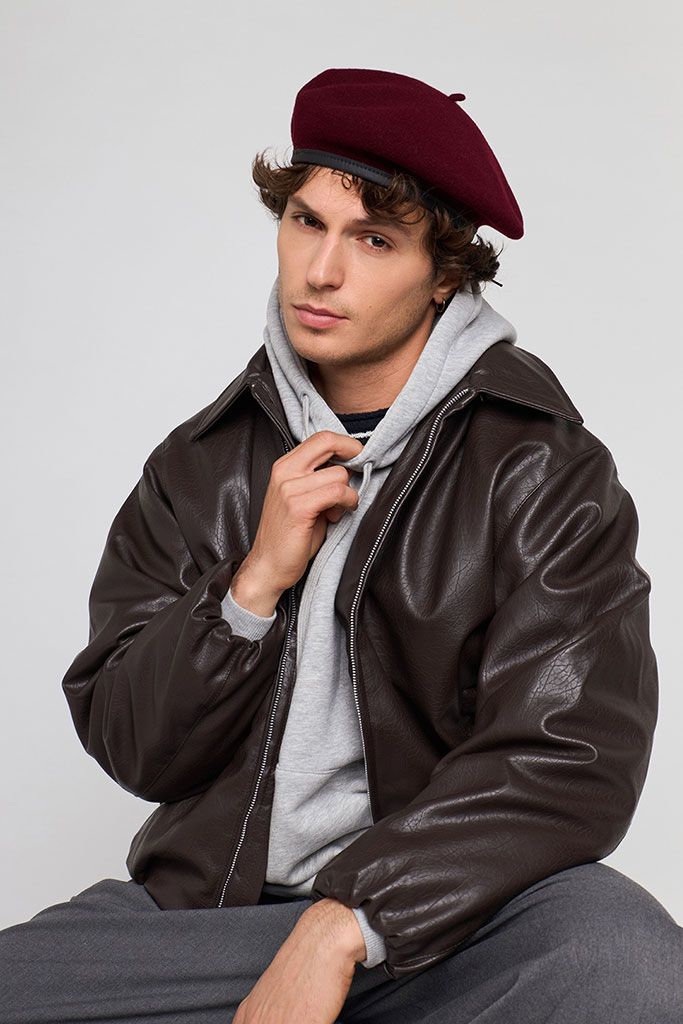
Nothing requires you to wear it this way. Worn straight, it becomes more understated and classic, closer in spirit to a traditional beret while retaining its distinctive finishes. Two looks from the same design; the choice depends on the day.
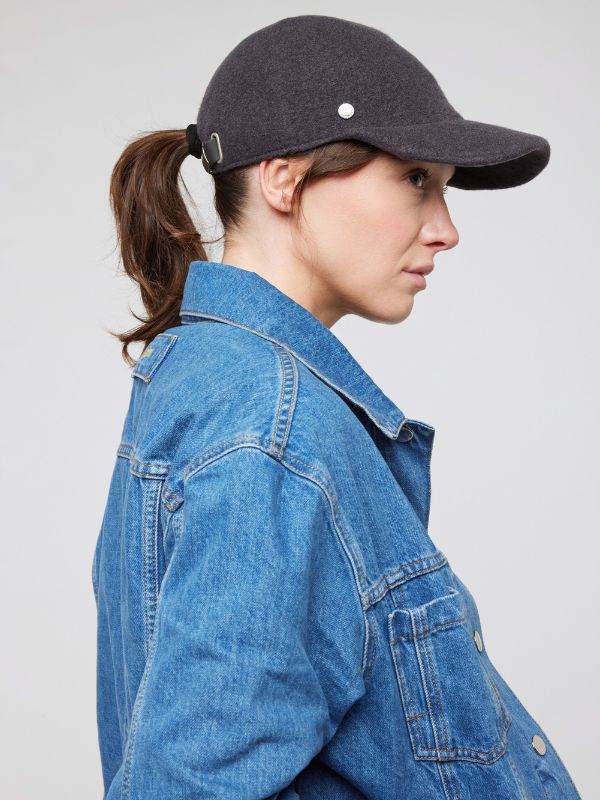
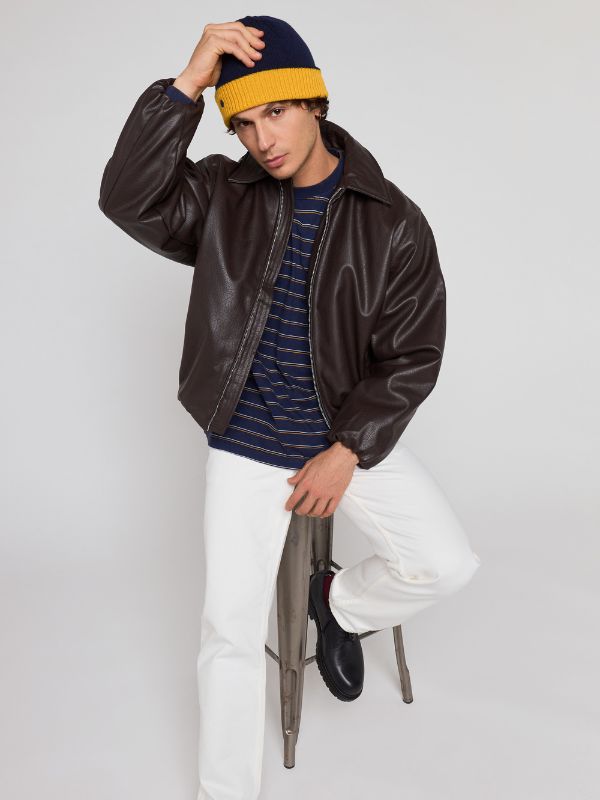
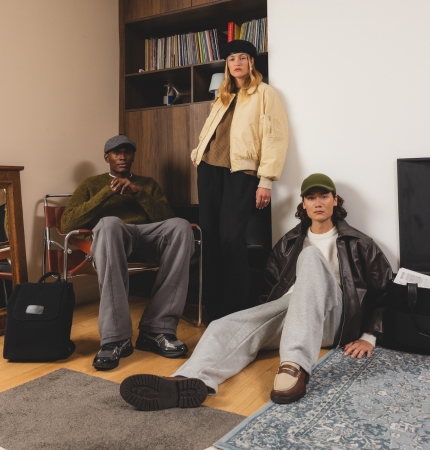
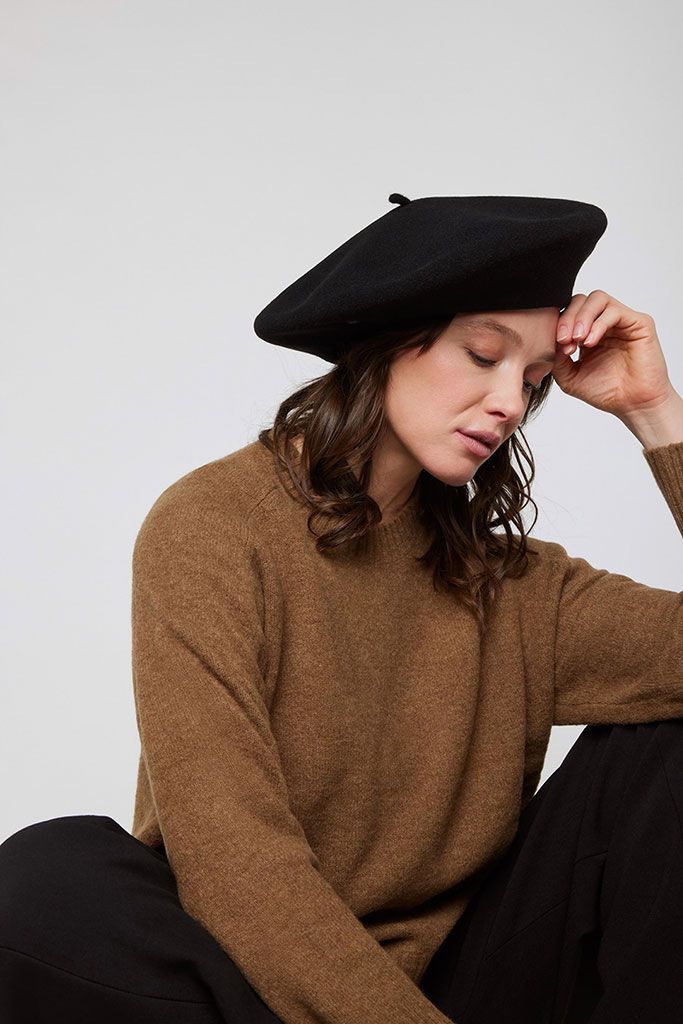
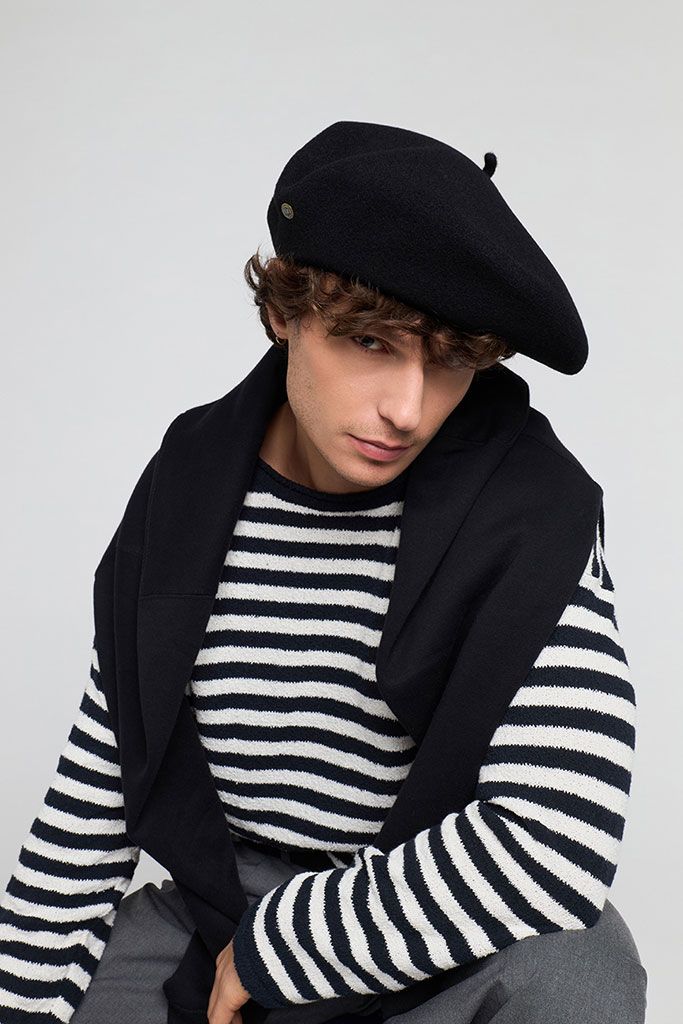
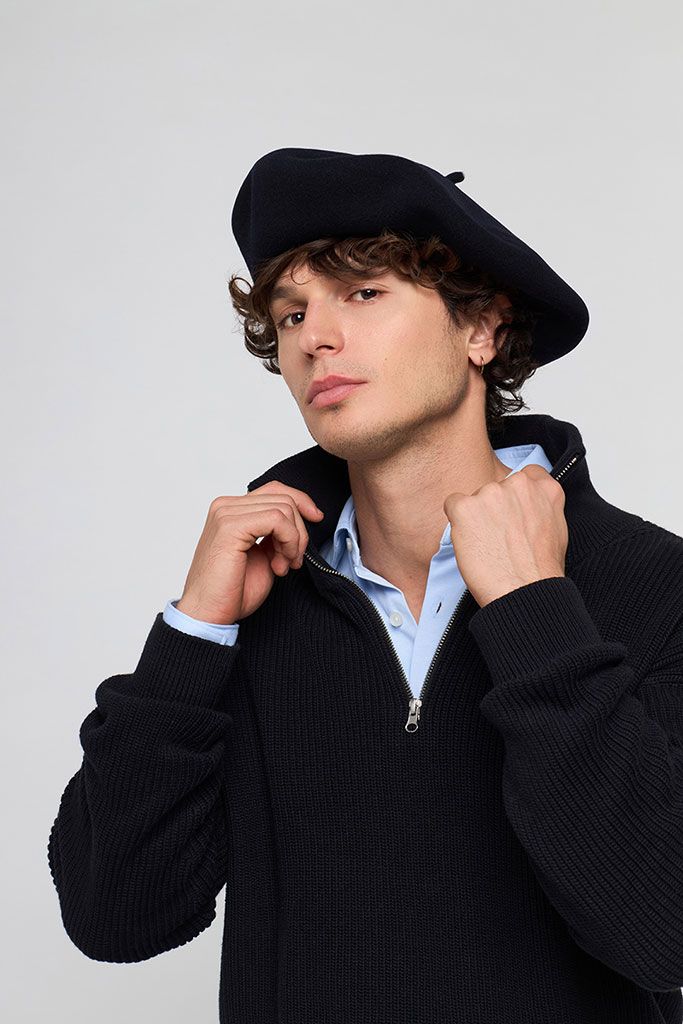
It works particularly well with structured materials such as denim and leather, as well as graphic, clean-lined wardrobes that echo its sharp silhouette. The same cut is designed for women and men alike: the angle and colour create the difference, never the size or shape. It therefore appears in both our women’s berets and men’s berets selections.
Colour changes everything. Khaki or black remains close to the original reference and blends easily into a darker wardrobe. A more unexpected shade, such as burgundy, moves the design into fashion territory and turns it into a statement piece.
Next comes the size. Begin with your head circumference, then tighten the headband cord until the fit feels right. This adjustment keeps the beret tilted securely without allowing it to move. Find the corresponding measurements in our size guide.
For a more understated look, explore our timeless berets. To browse the complete collection, discover all our French berets.