You will receive your code within 24 hours at the latest*







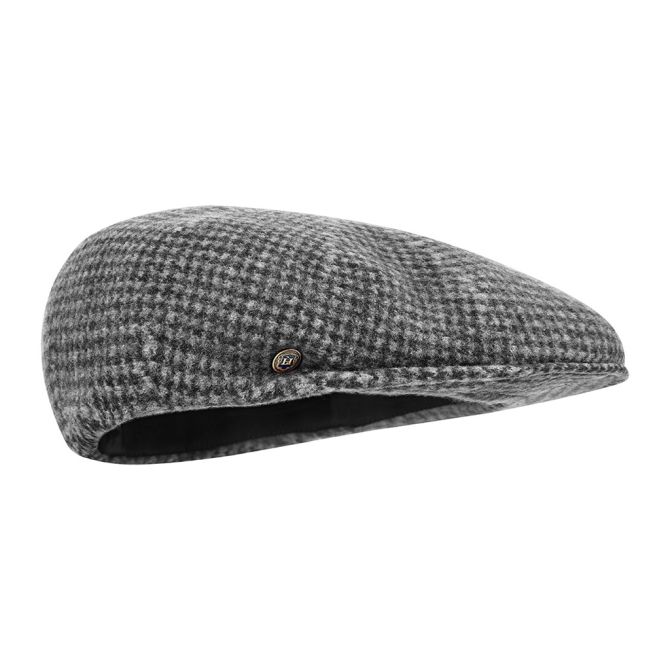

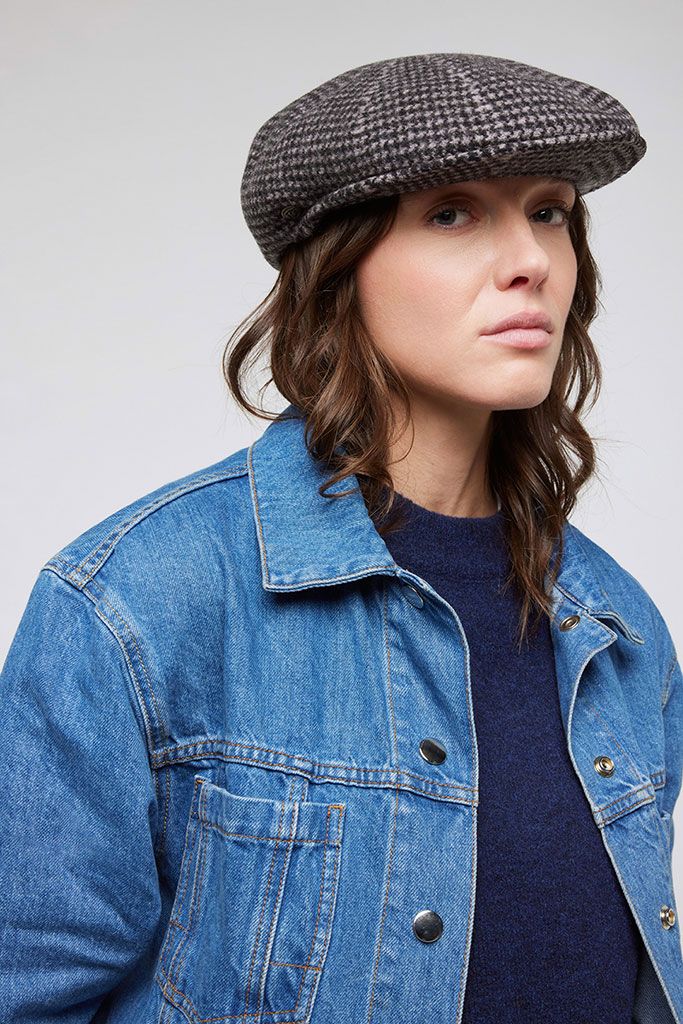
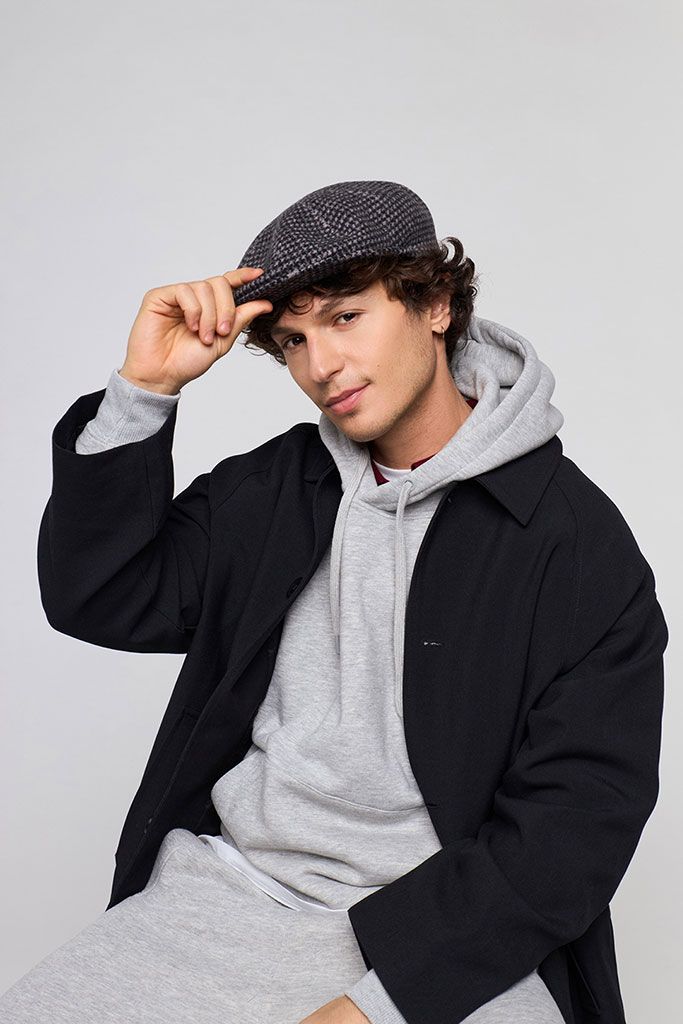
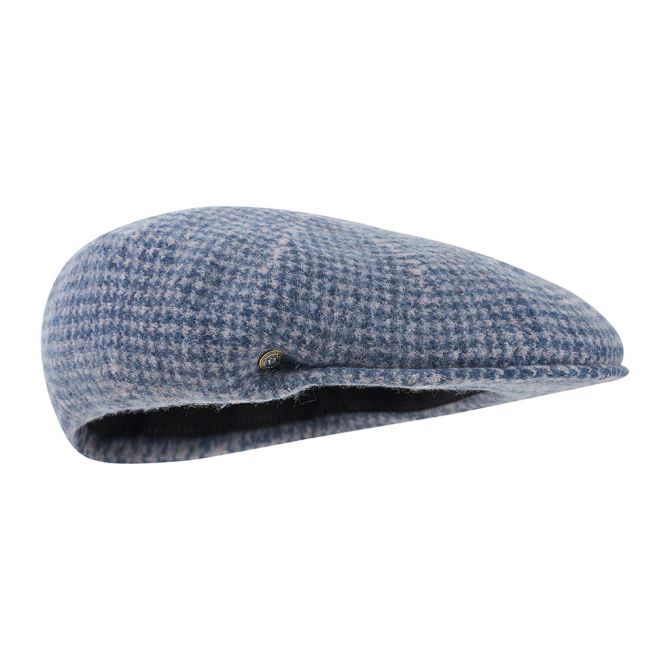
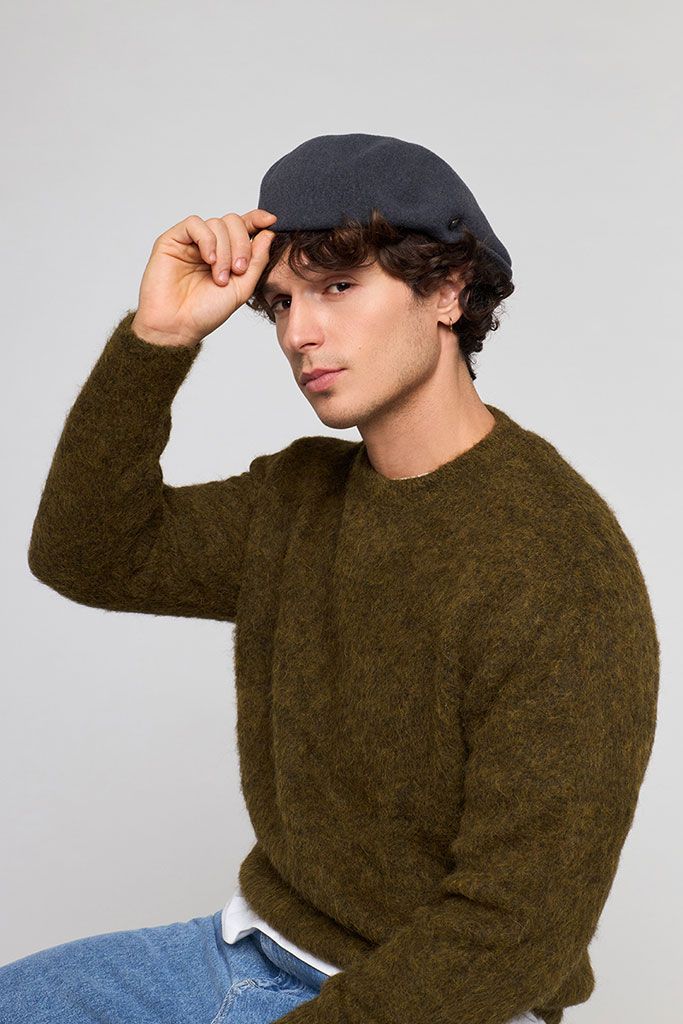
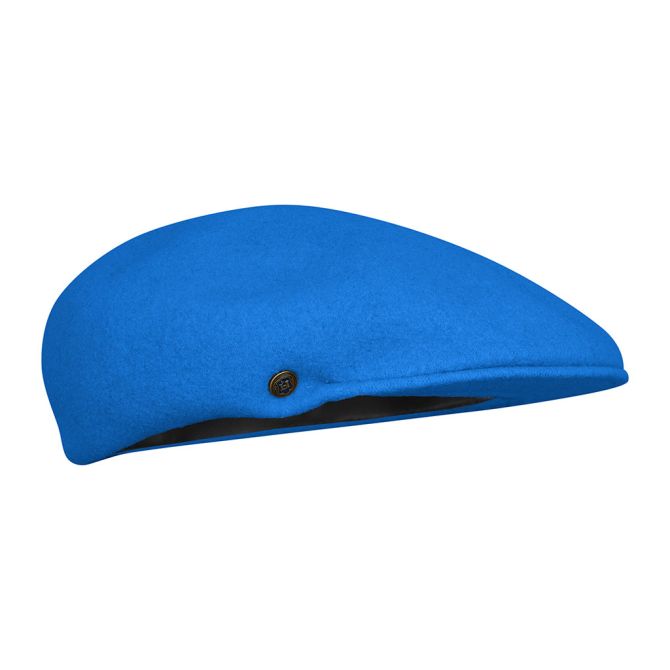
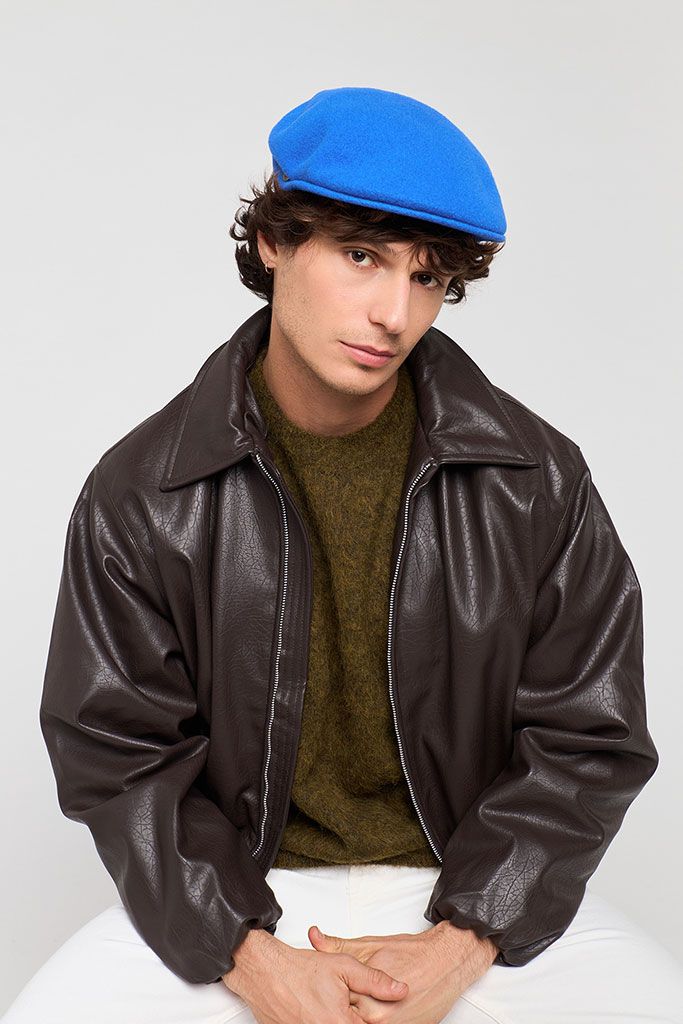
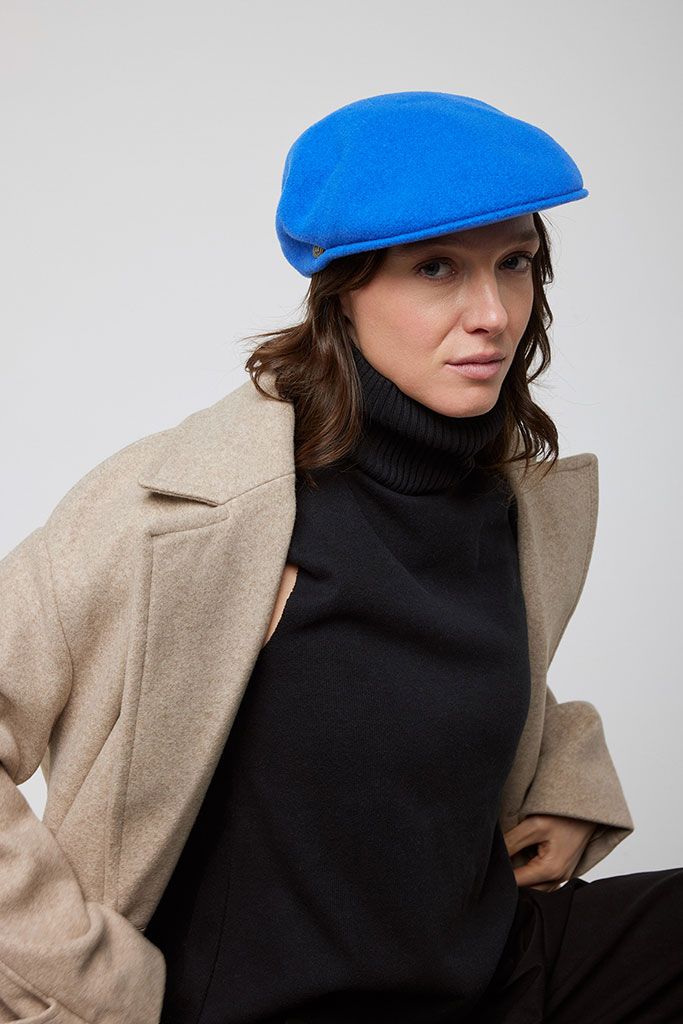
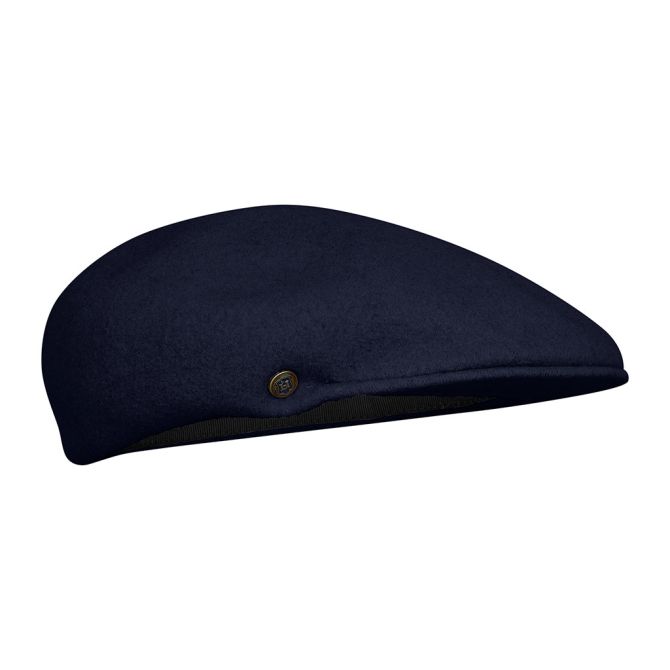
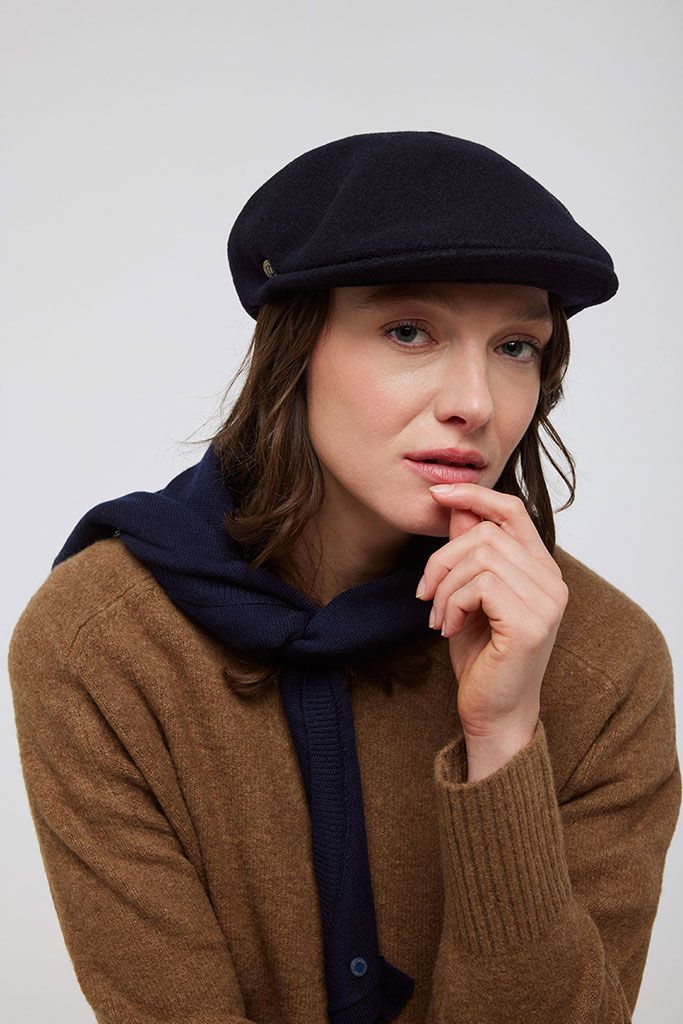
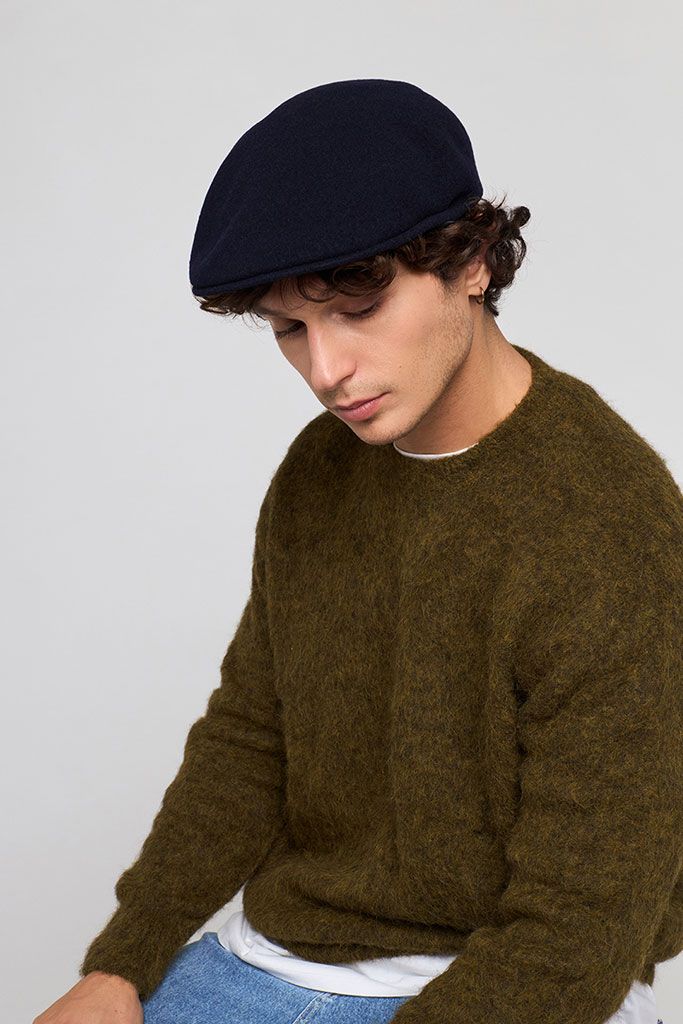
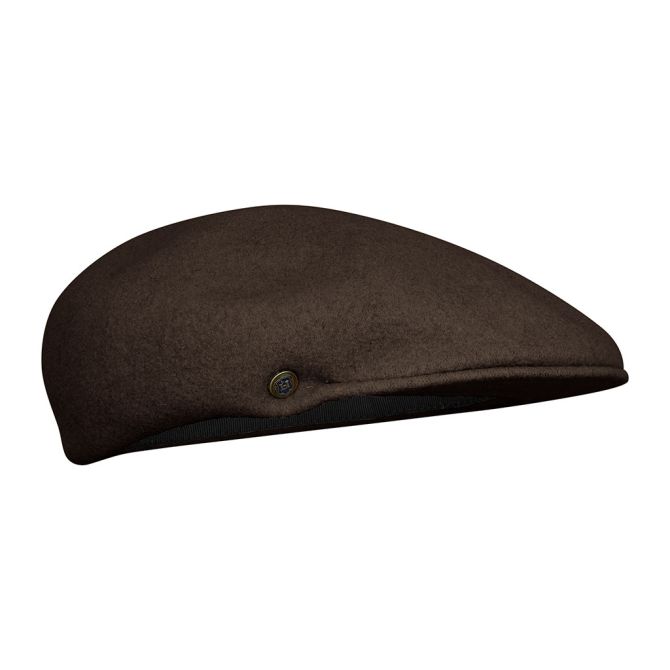


You will receive your code within 24 hours at the latest*
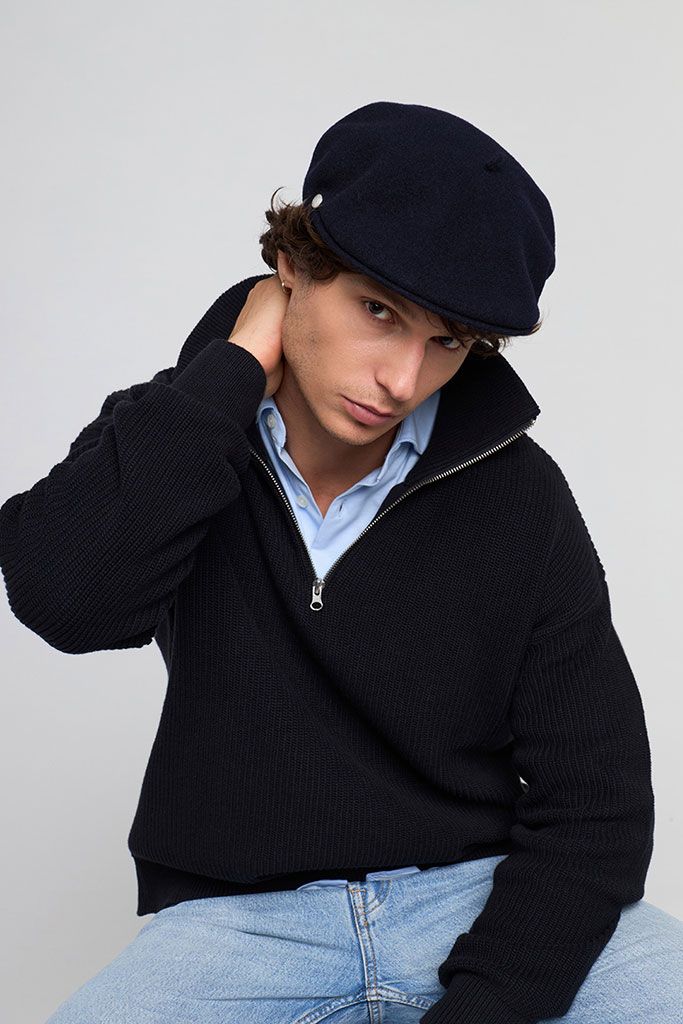
Our merino wool is French, which is rare: almost all the world’s merino wool comes from Australia or New Zealand. We knit and felt it locally, allowing us to control the density of the material throughout the process, from yarn to finished piece.
Its fibres are considerably finer than those of coarser traditional wools and are measured in microns. This fineness changes how the material feels against the skin. Where coarser wool can feel prickly, merino wool remains soft, including around the forehead where the skin can be more sensitive.
Merino wool is also naturally thermoregulating. Its fibres absorb moisture as vapour before it is felt against the skin, then gradually release it, helping to reduce overheating and sudden chilling when the cap is removed indoors.
Most wool caps on the market are made from woven wool, tweed or woollen cloth. The yarns are crossed on a loom before the fabric is cut and assembled from separate panels. The material retains its shape through its woven structure and lining.
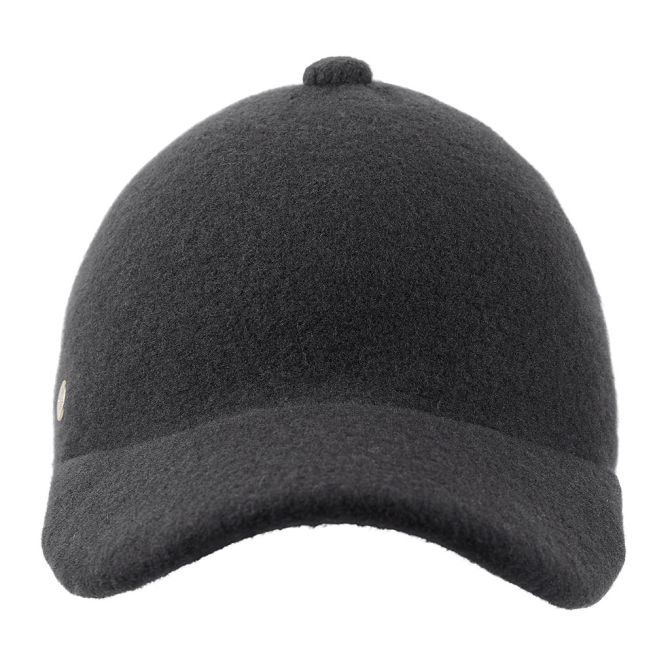
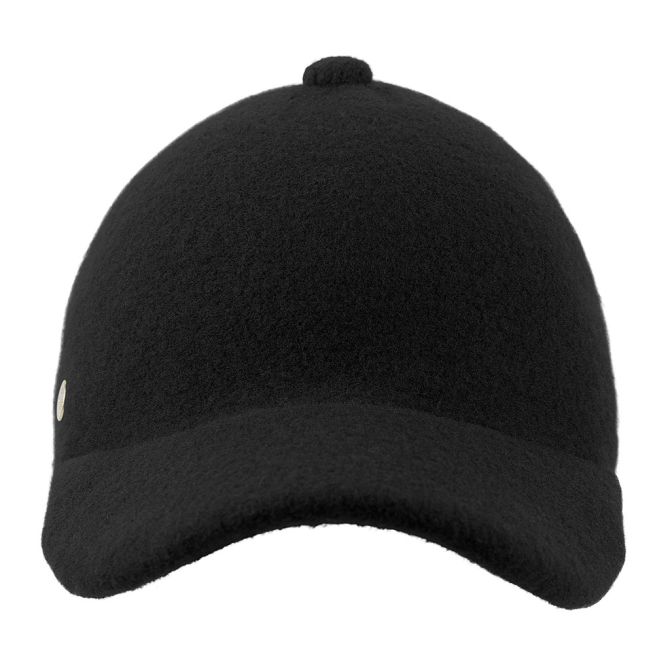
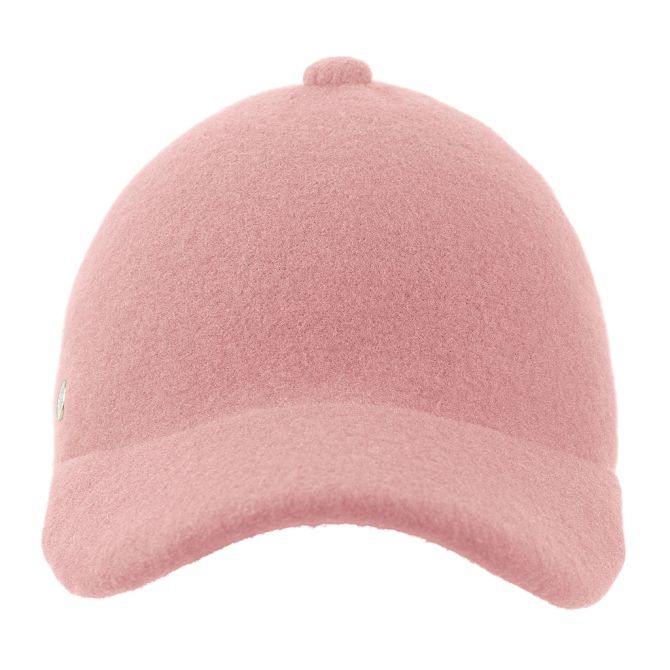
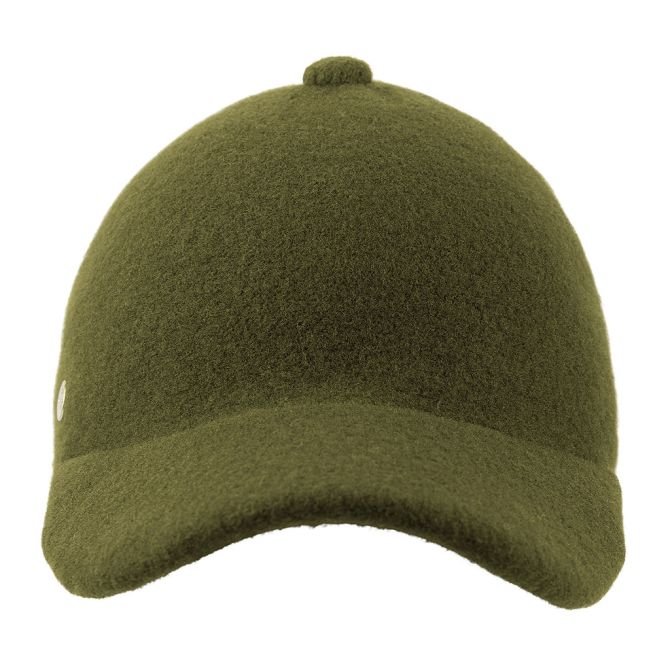
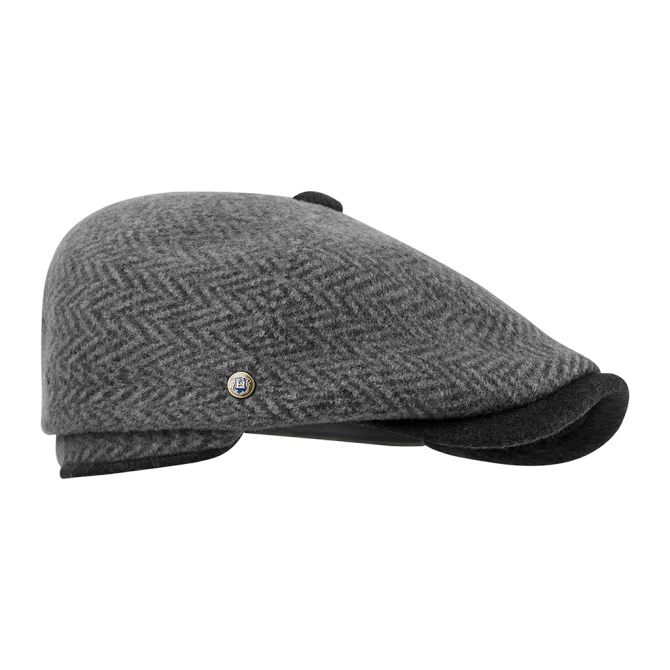
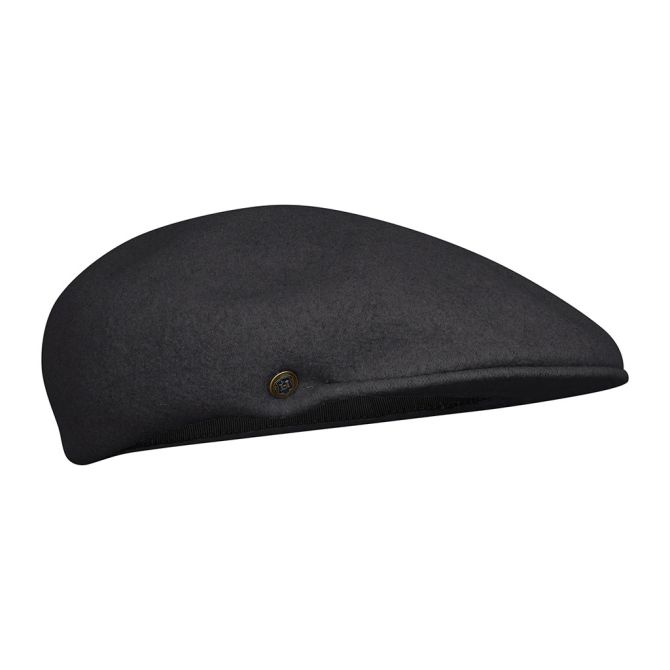
Felting follows a different process. The wool is knitted and then fulled until the fibres interlock, creating a dense, continuous material. The result has no weave or grain, does not fray and can be shaped from a single piece without assembly seams.
In practical terms, this creates a softer cap with no raised seams on the inside. It can be folded into a pocket and then return to its original line.
It resists light rain without any added treatment. The fibres naturally repel water, causing droplets to remain on the surface rather than immediately penetrating the material. The cap can then be left to air-dry without losing its shape.
This is an inherent property of the material rather than an applied finish, so it does not gradually wear away like a water-repellent coating. Our caps contain no fluorinated treatments or PFAS.
In sustained heavy rain, however, a wool cap is not waterproof. Leave it to dry flat at room temperature, away from any direct source of heat.
Care remains simple: gentle brushing is enough in most cases. Hand washing and machine washing are not recommended, as water and soap can damage the felting. Ironing should also be avoided, as the heat would flatten the material and alter its distinctive feel.
In light rain, the natural water repellency of the wool keeps most moisture on the surface, allowing the cap to dry quickly without relying on an added treatment. For a more persistent stain, blot the area with an absorbent cloth and leave the cap to dry flat, away from direct heat.
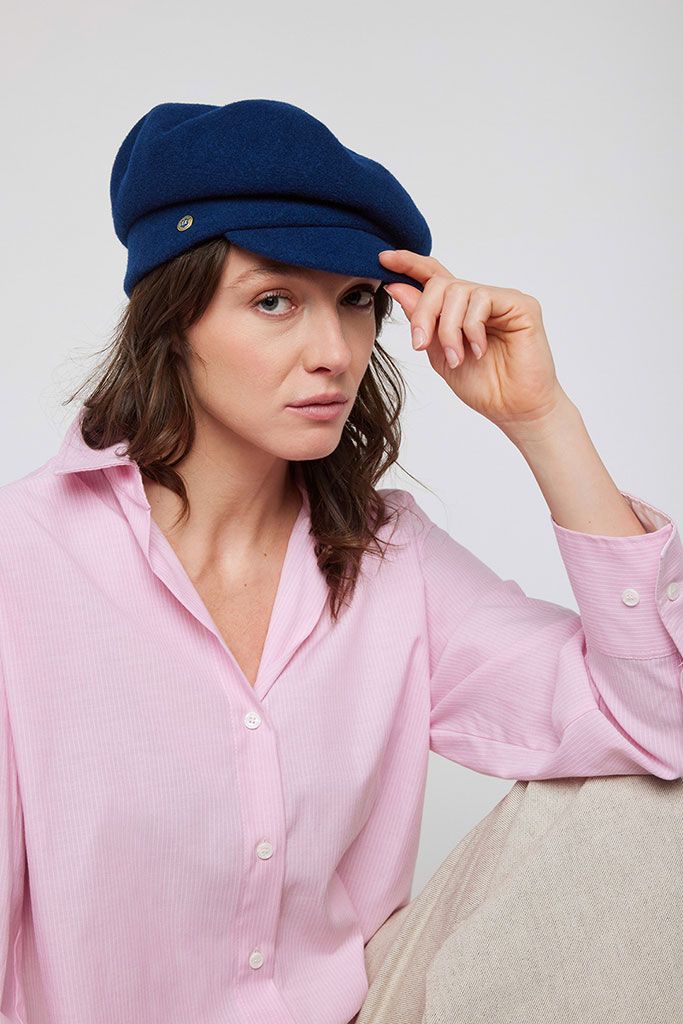
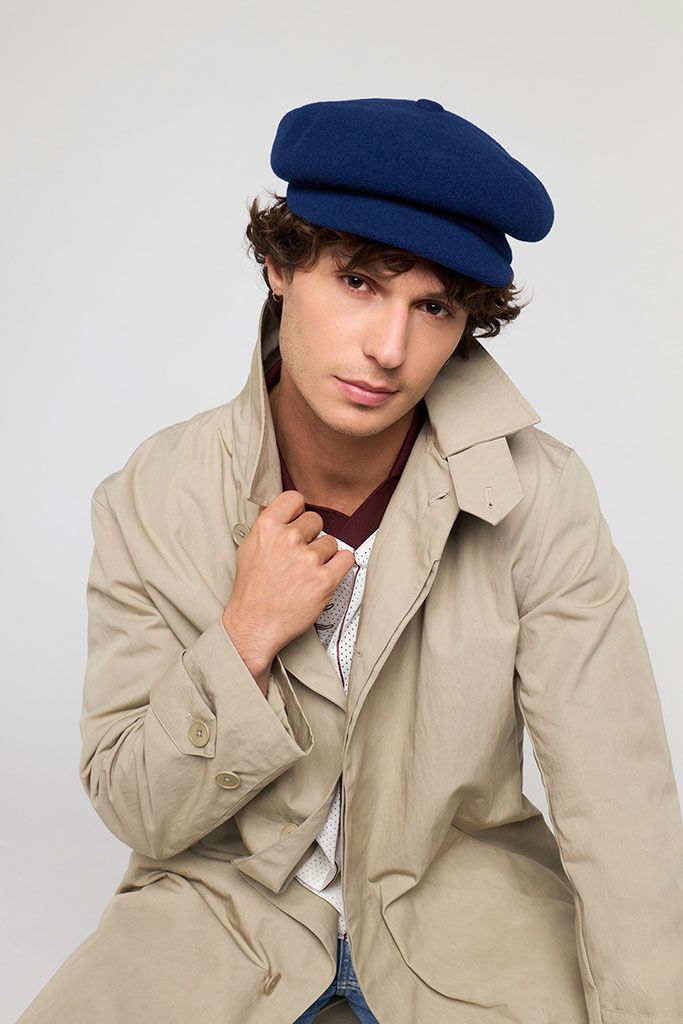
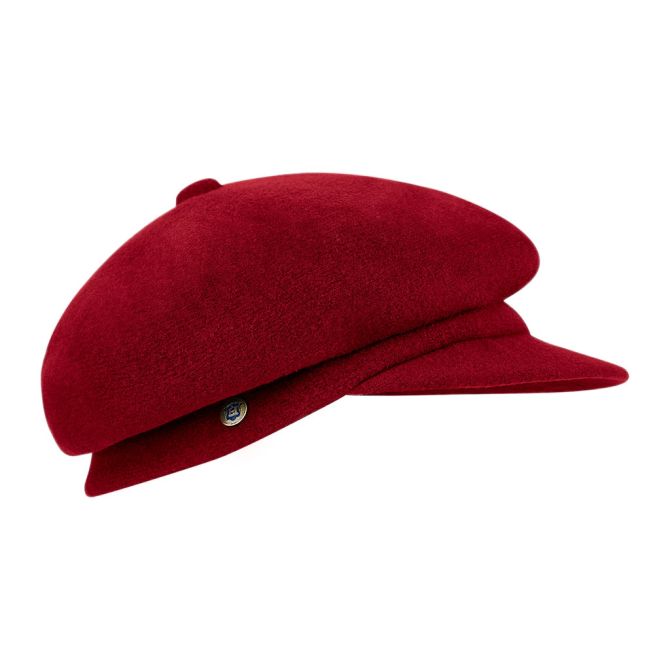
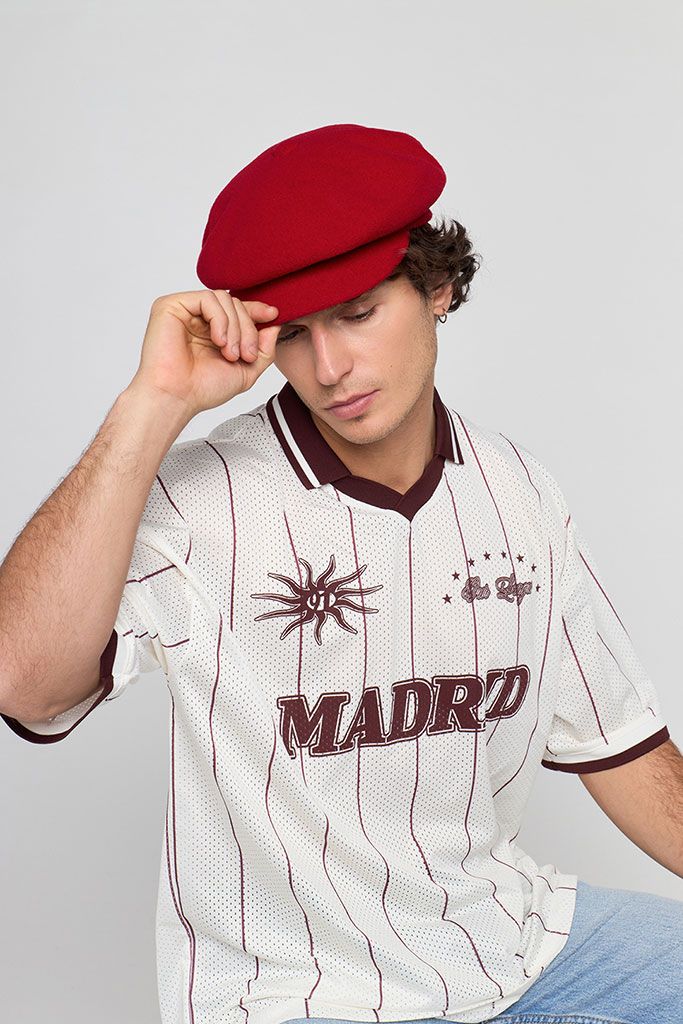
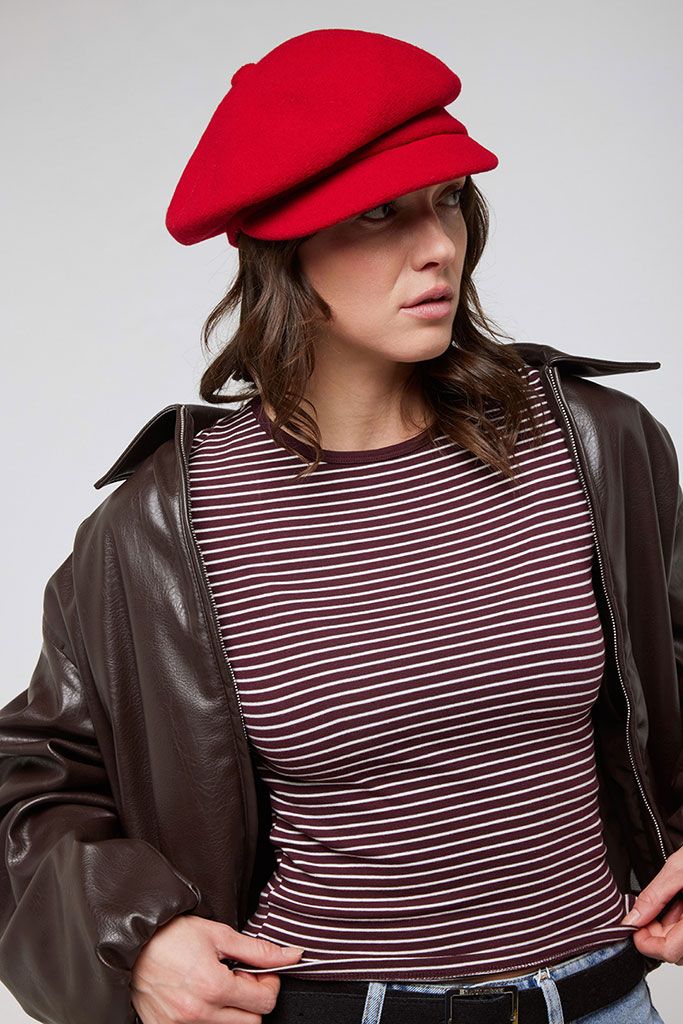
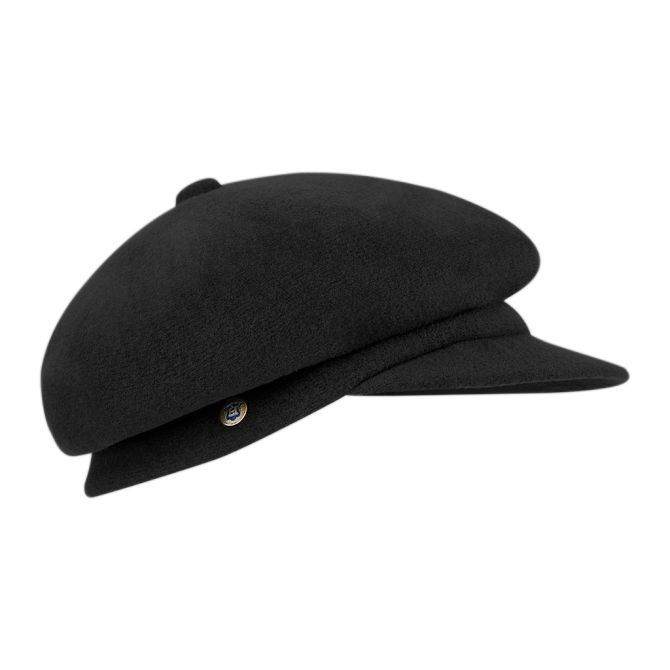
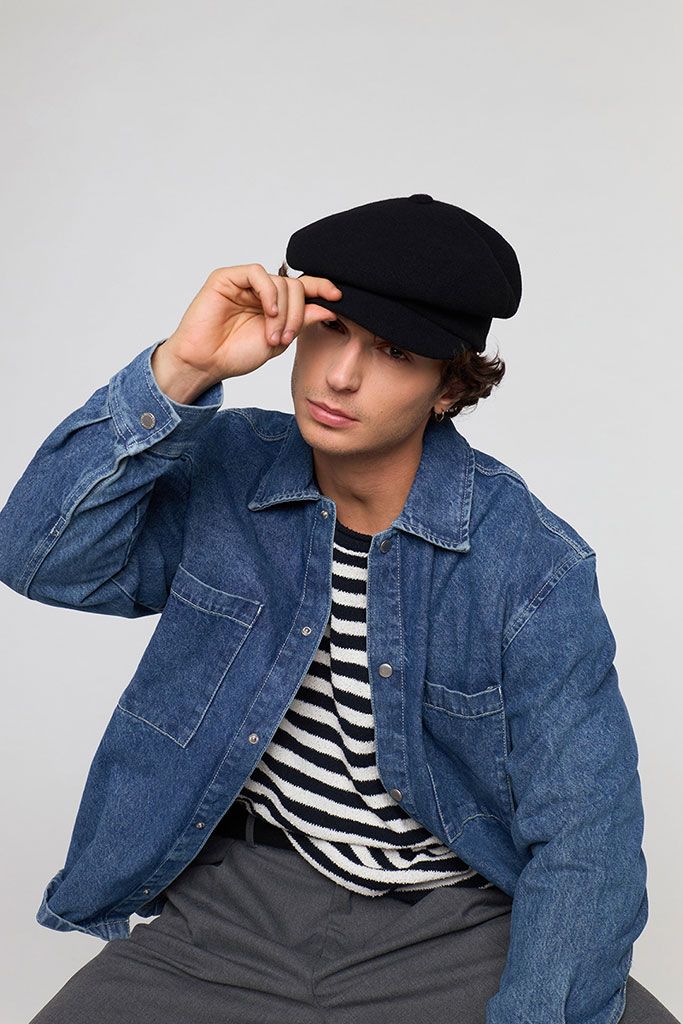
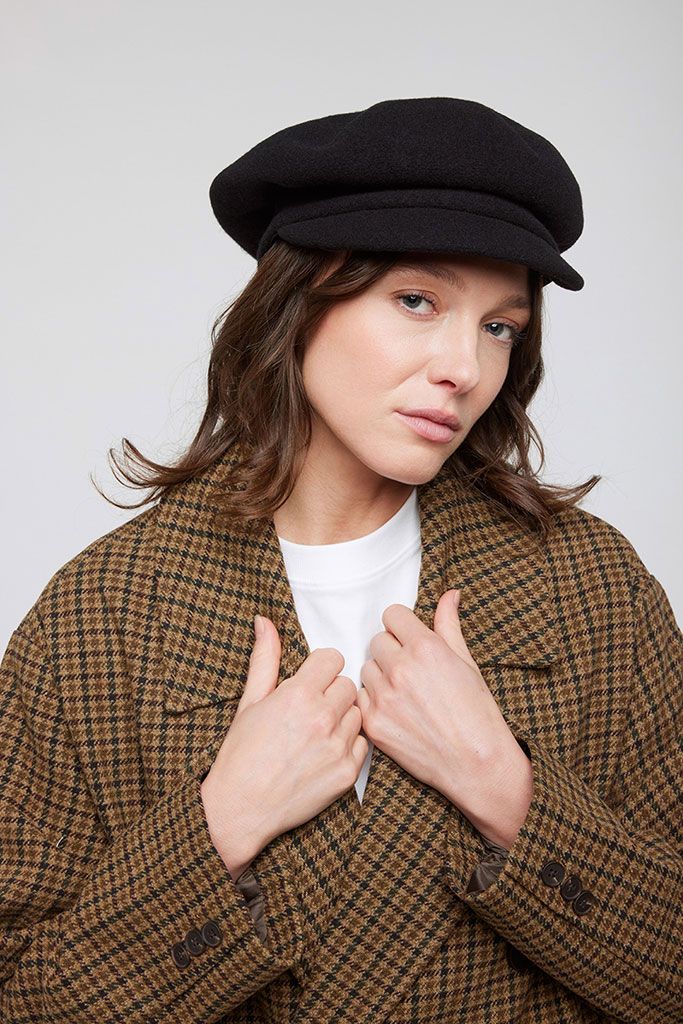
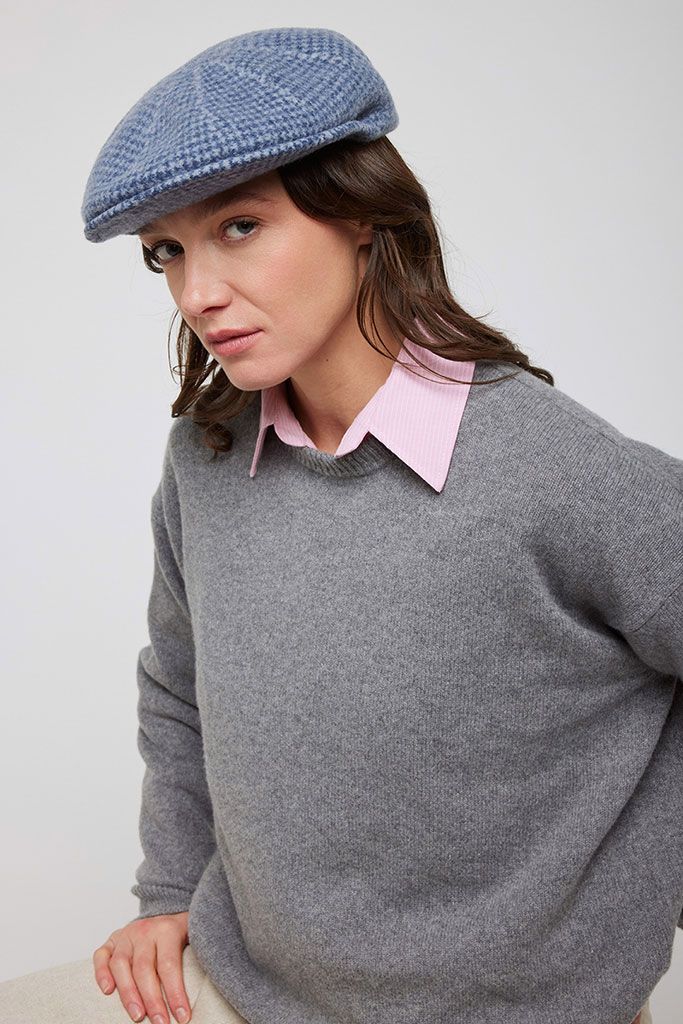
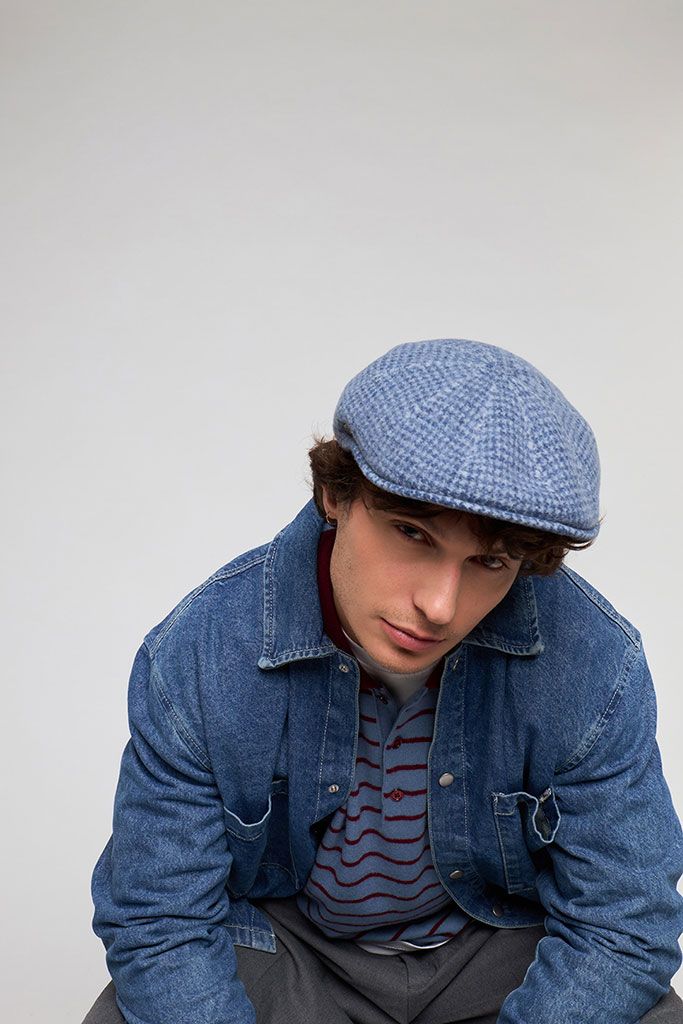
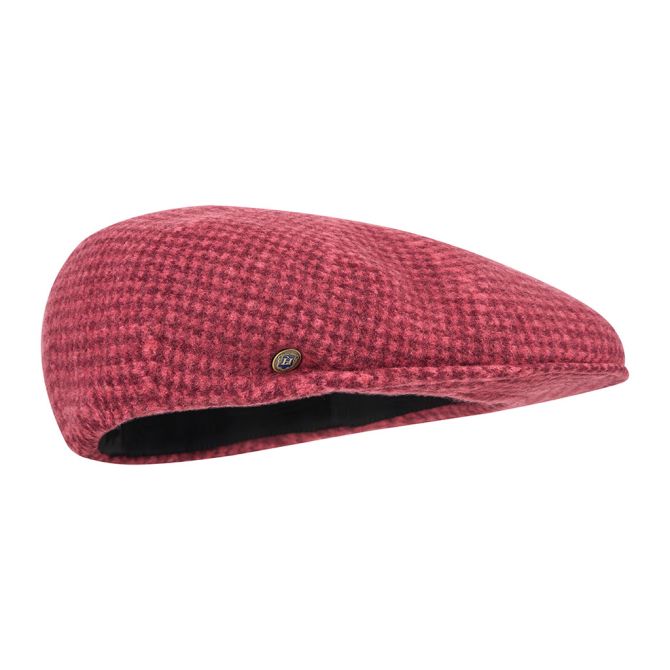
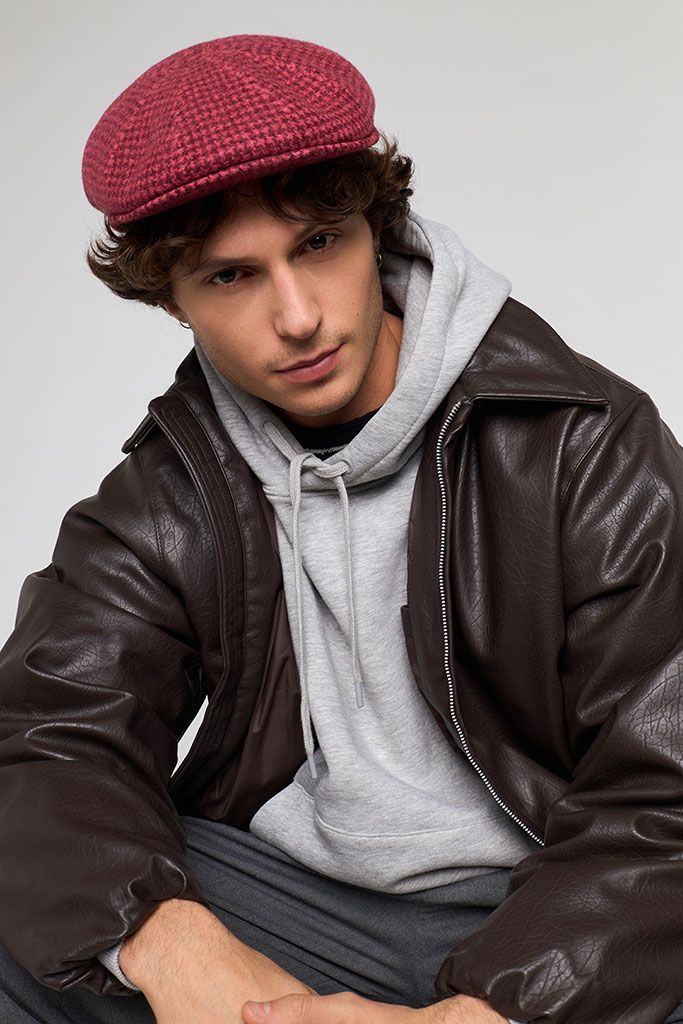
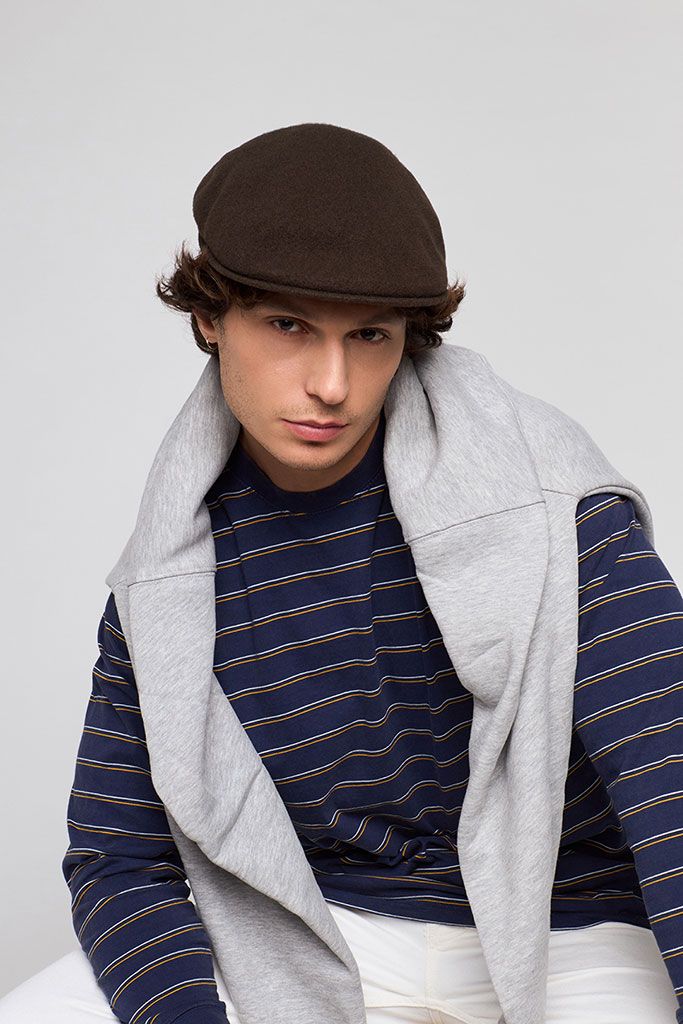
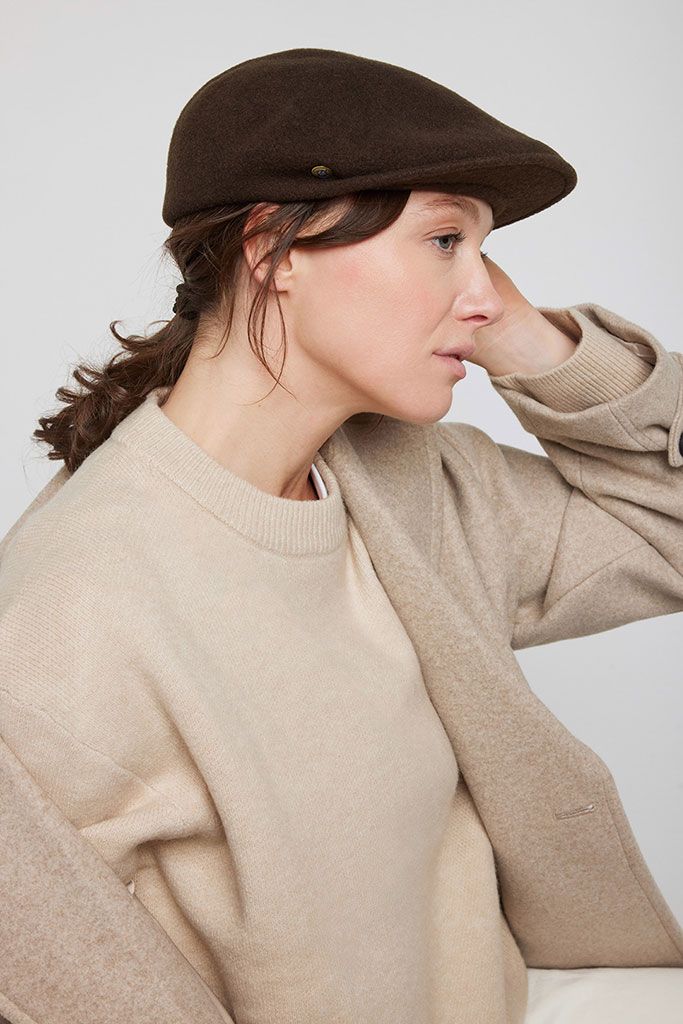
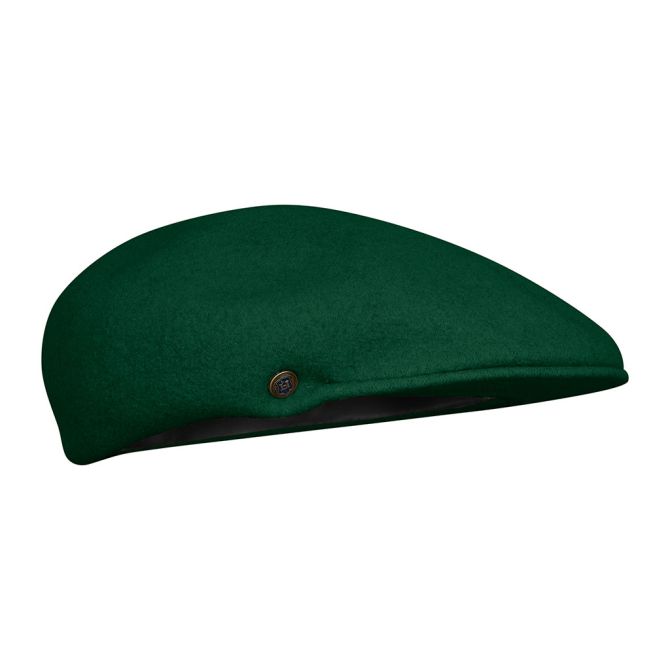
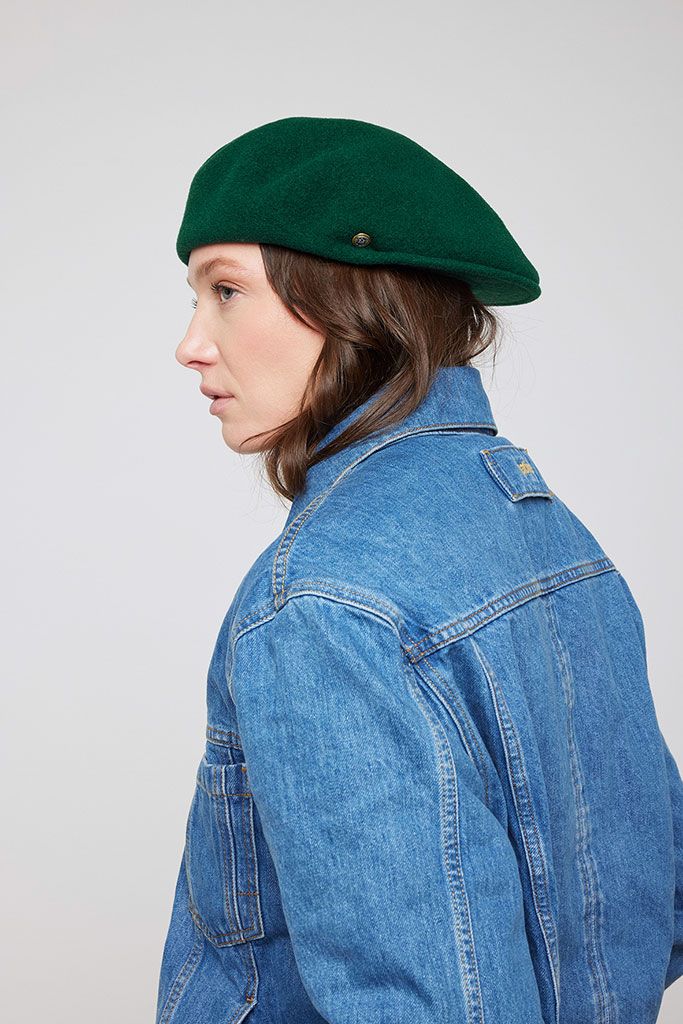
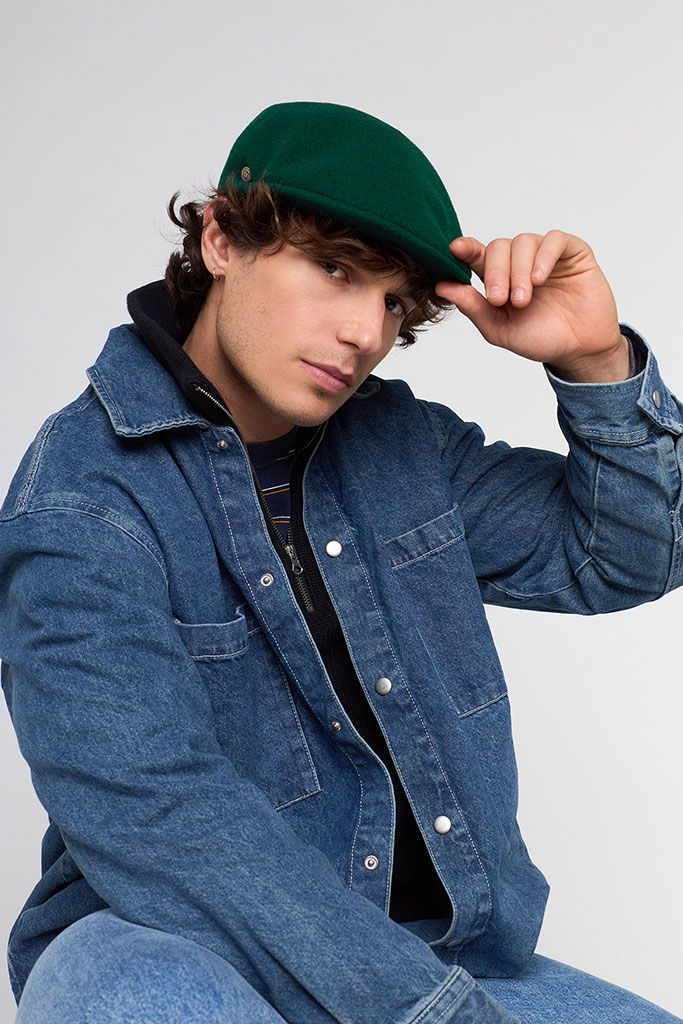
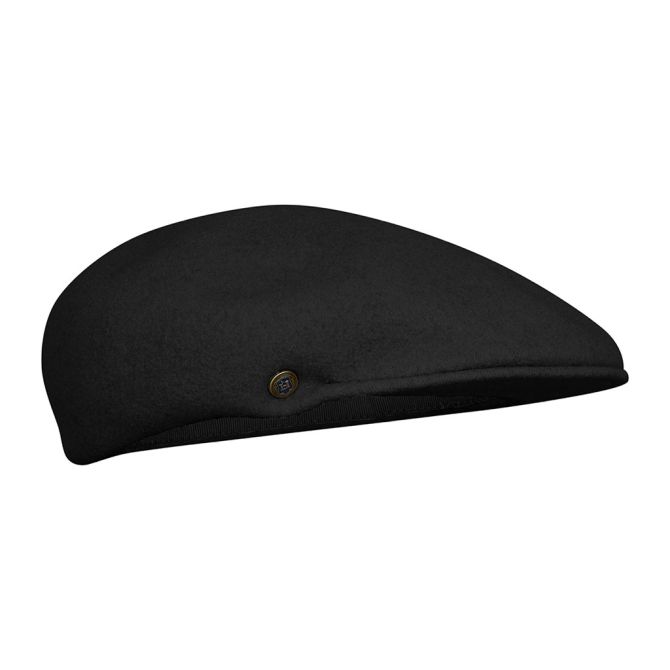
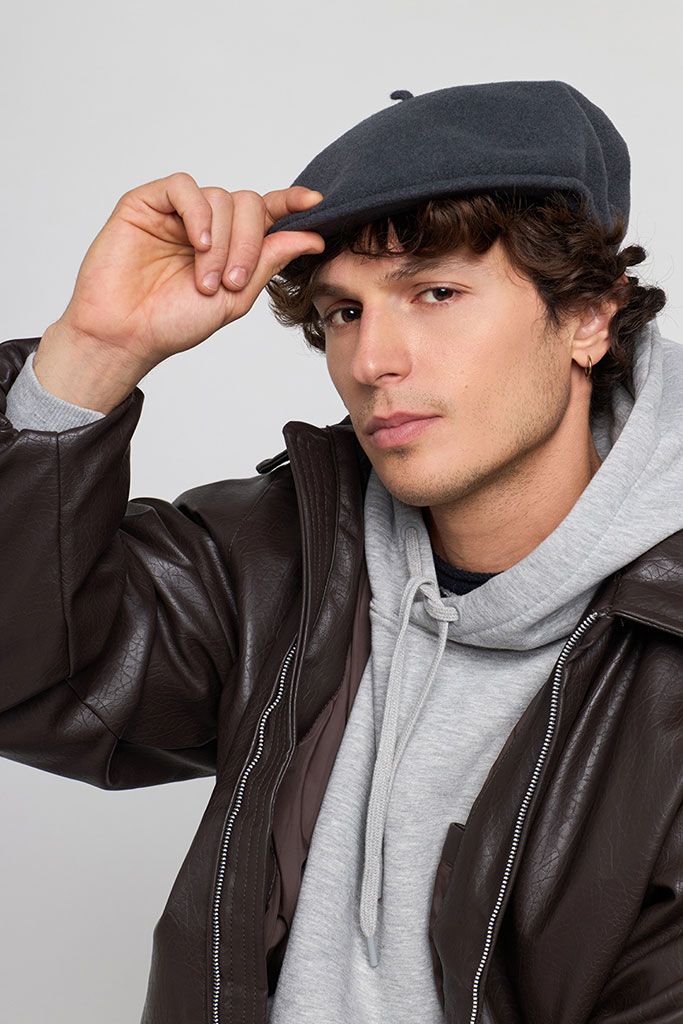
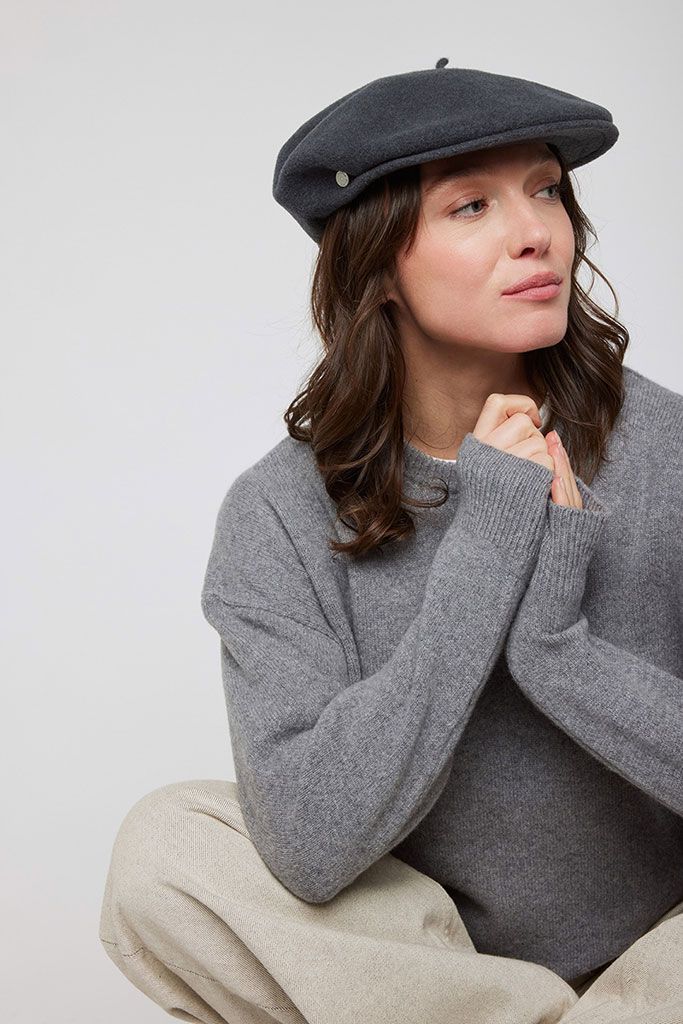
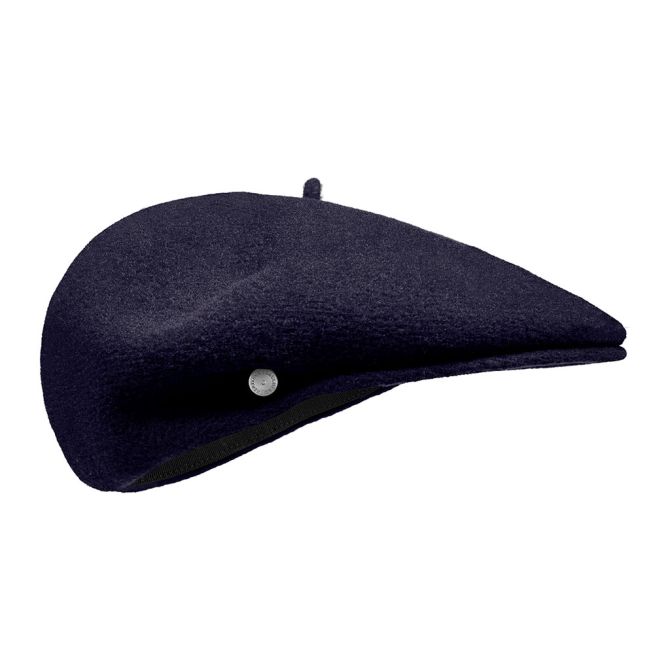
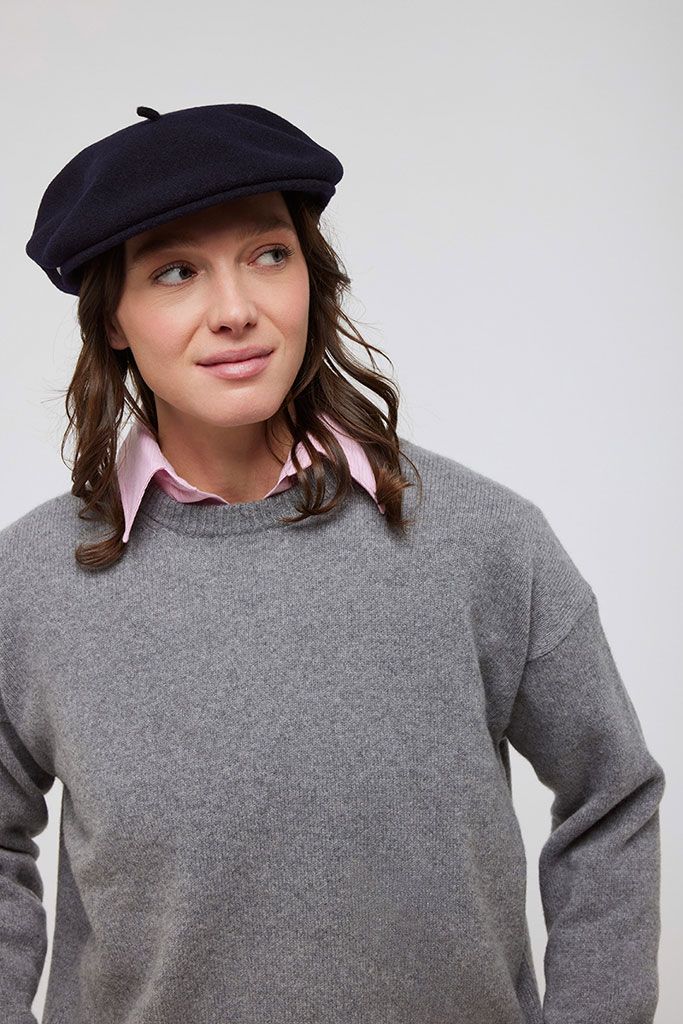
All our cap shapes are available in merino wool, and the material does not change how you should choose between them.
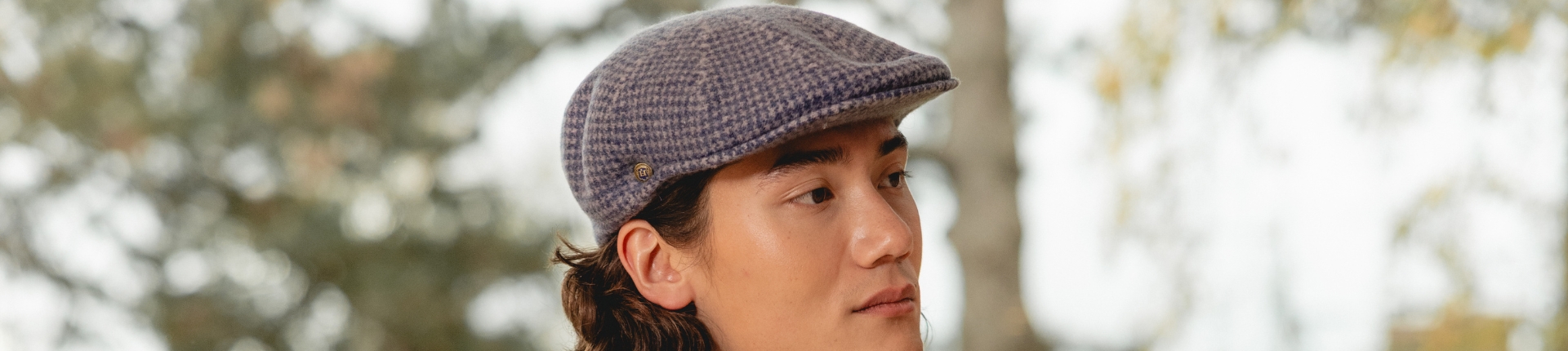
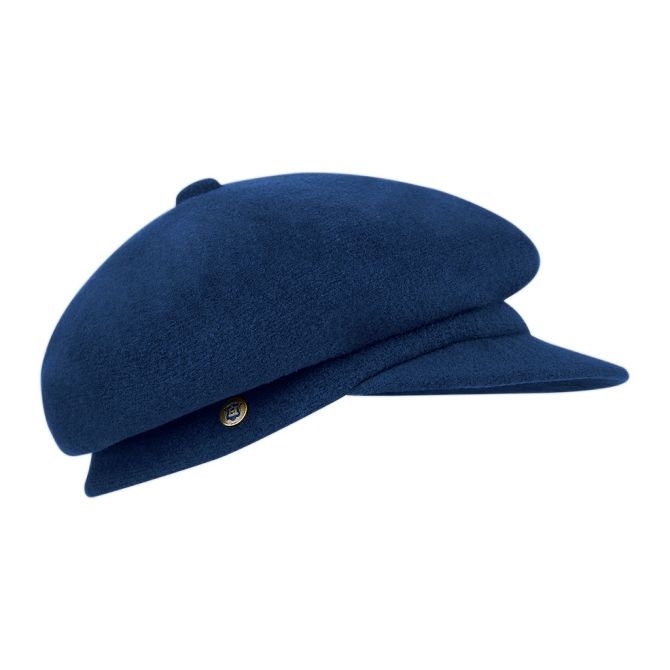
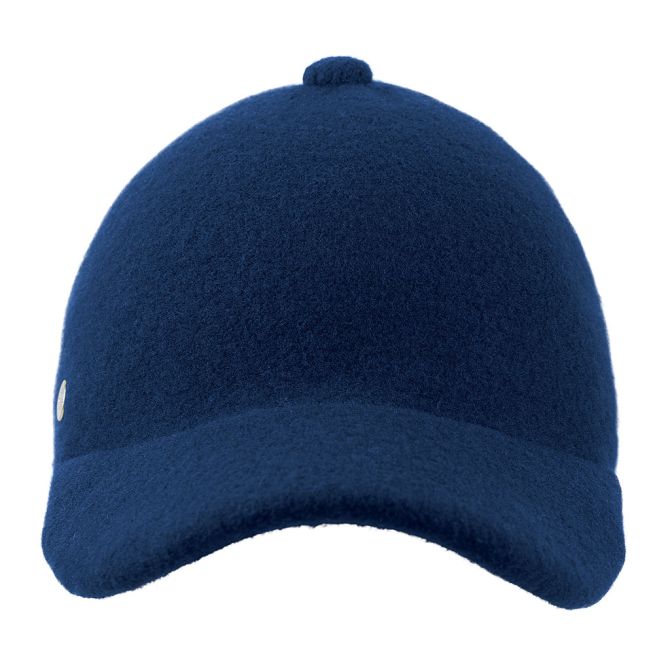
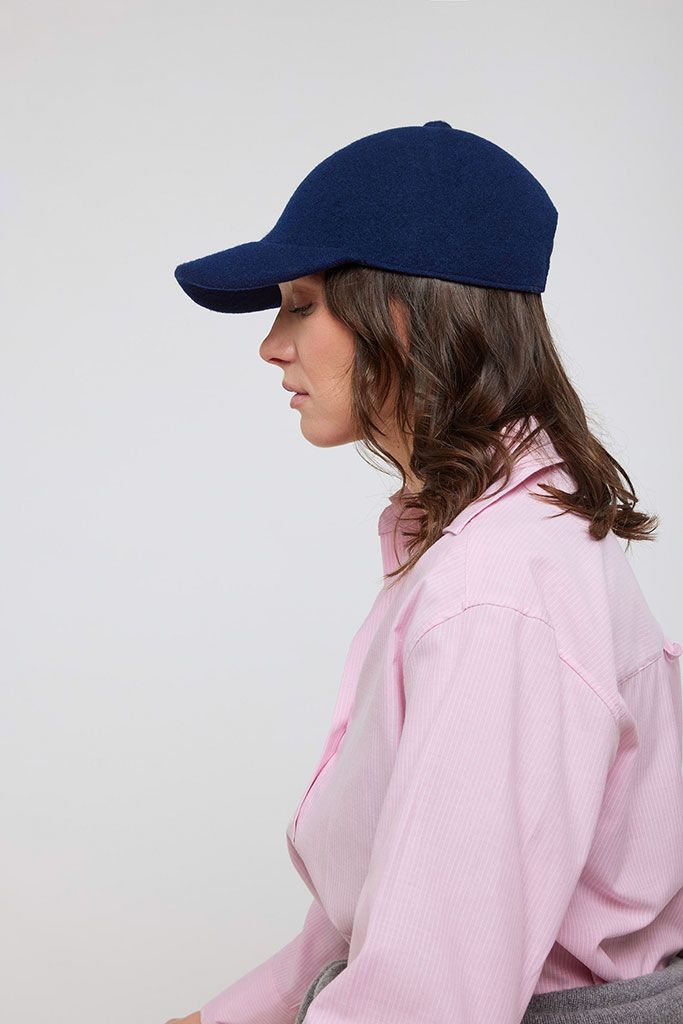
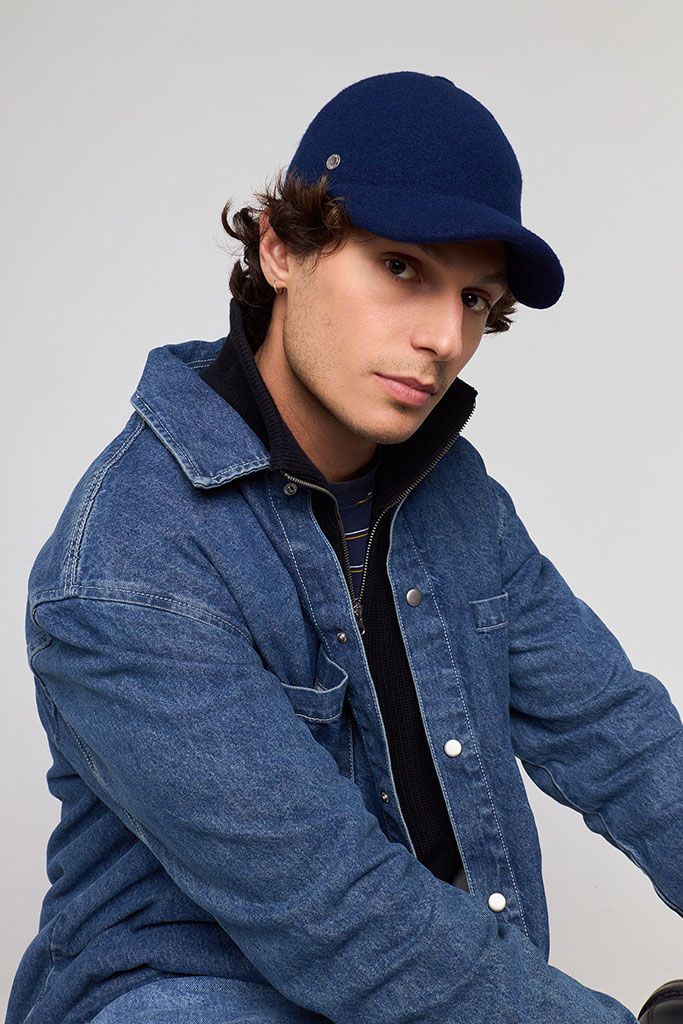
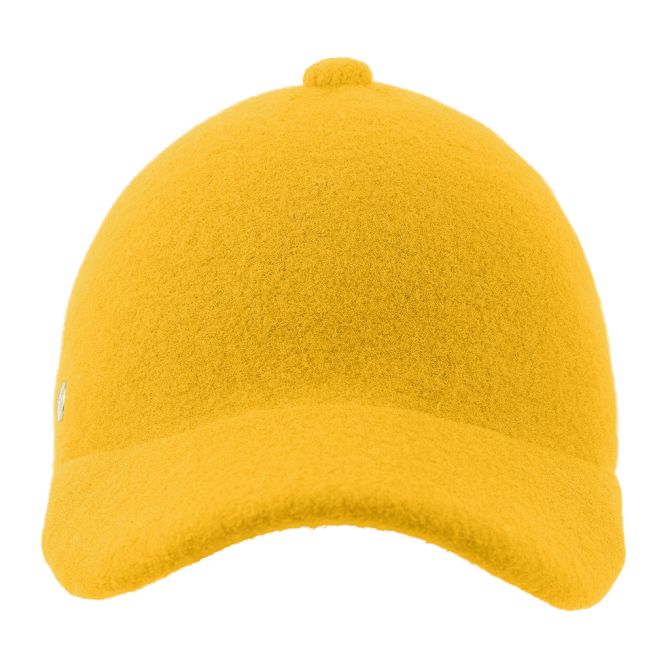
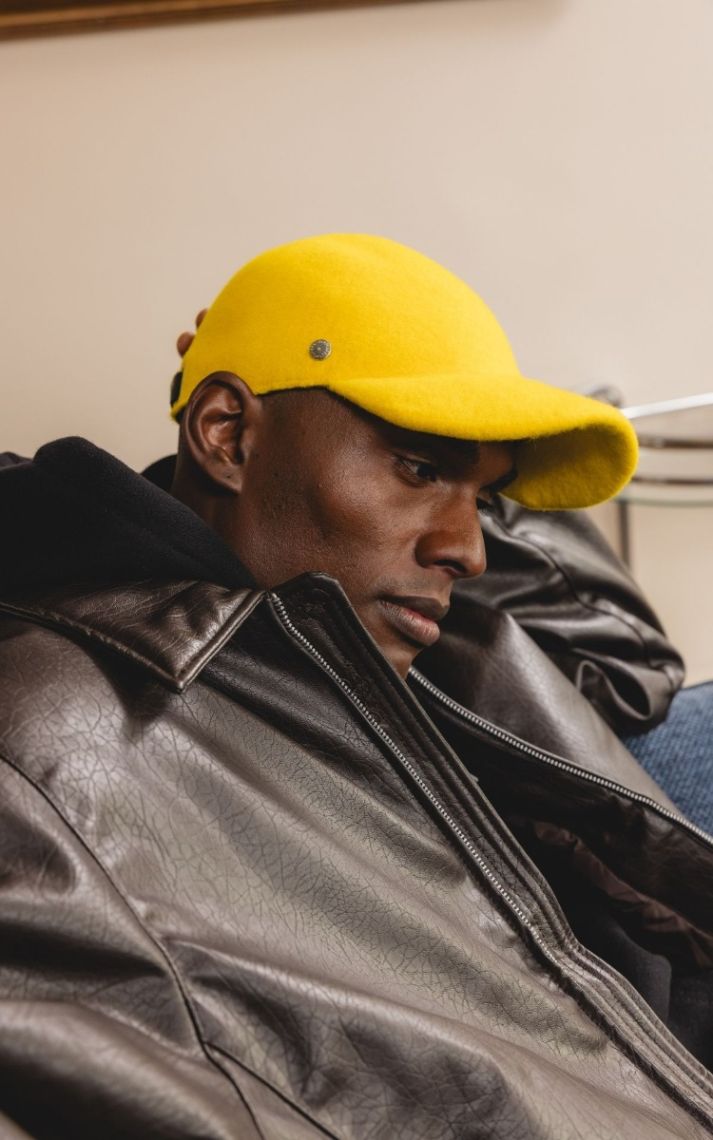
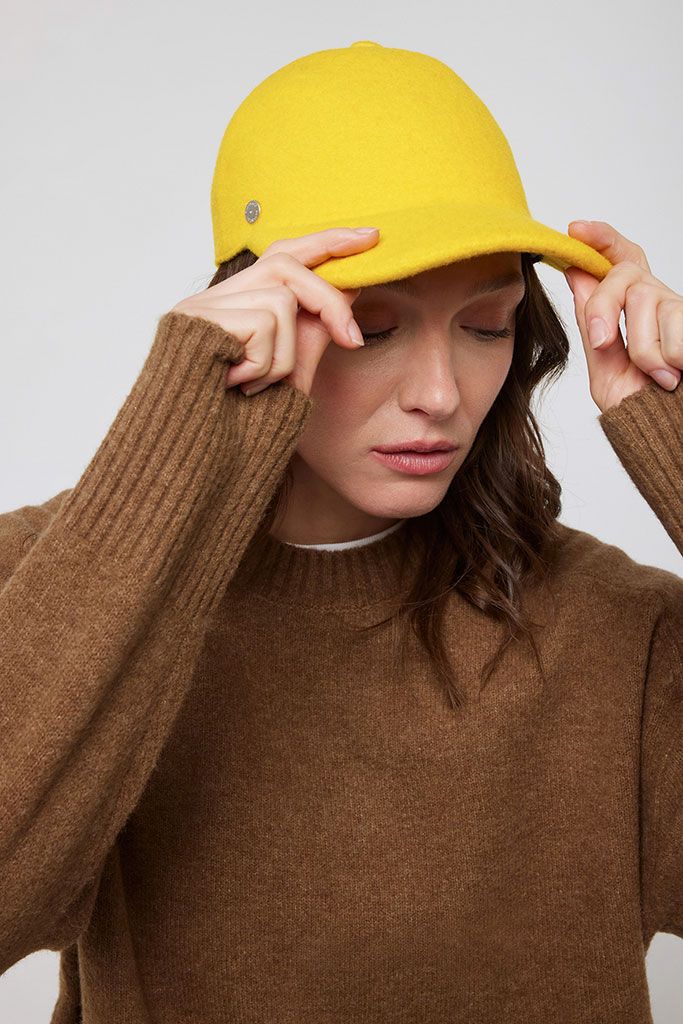
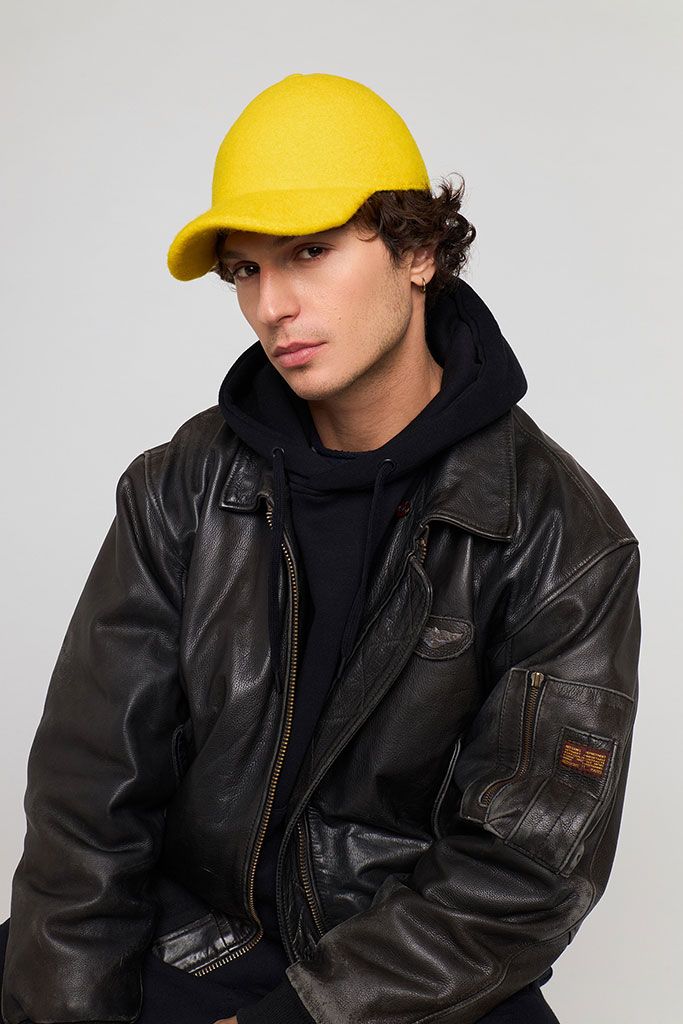
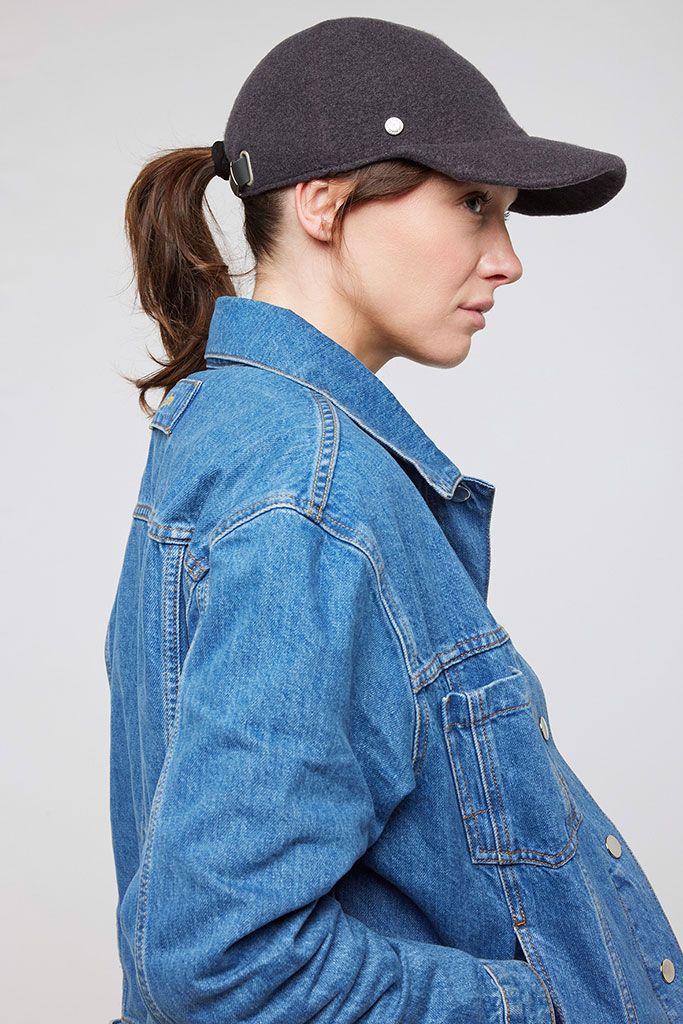
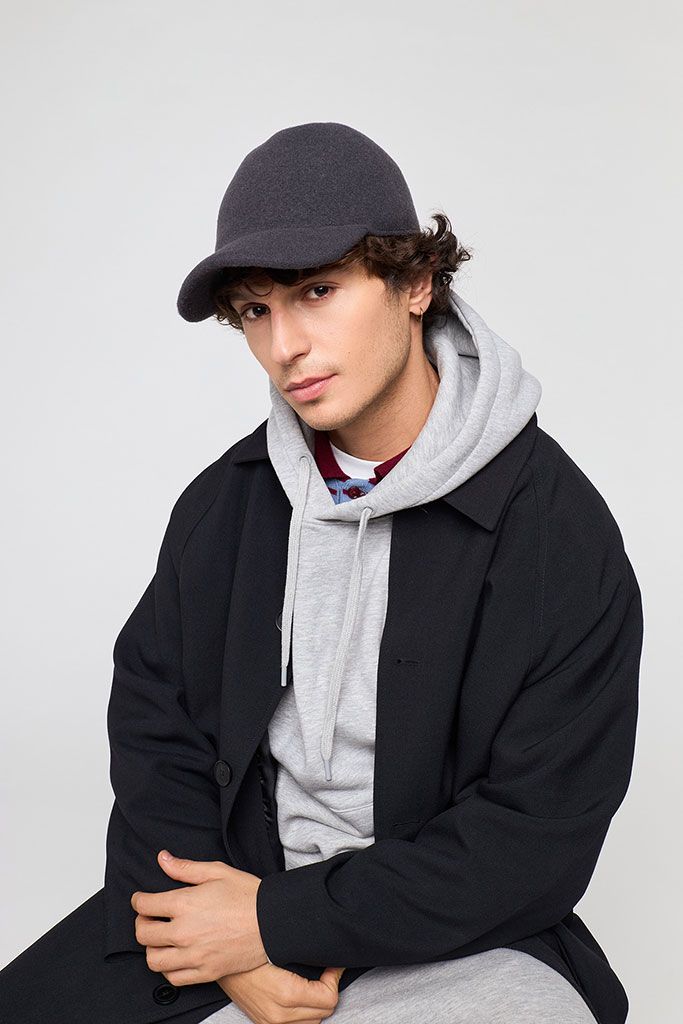
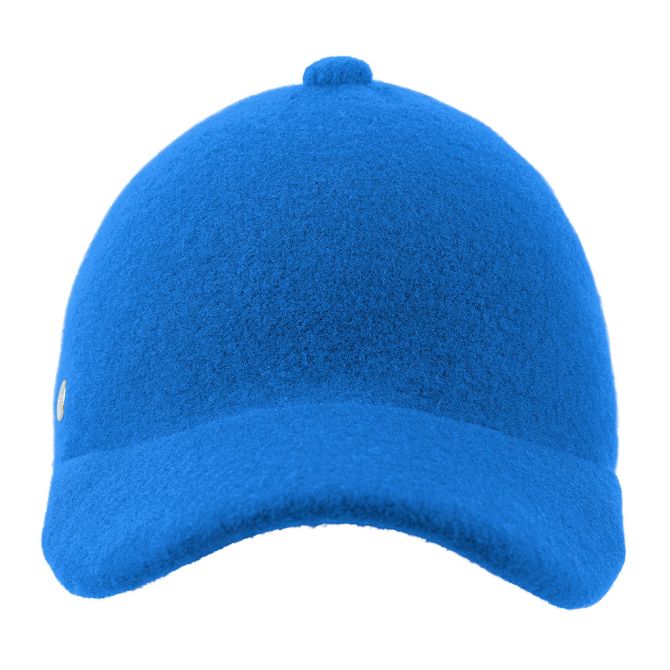
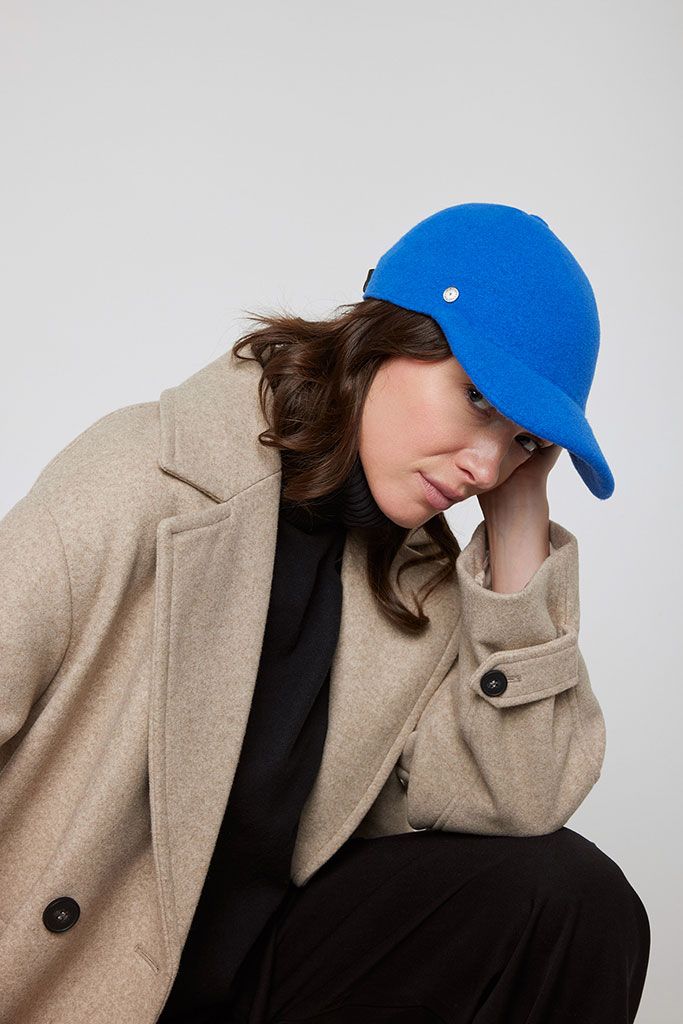
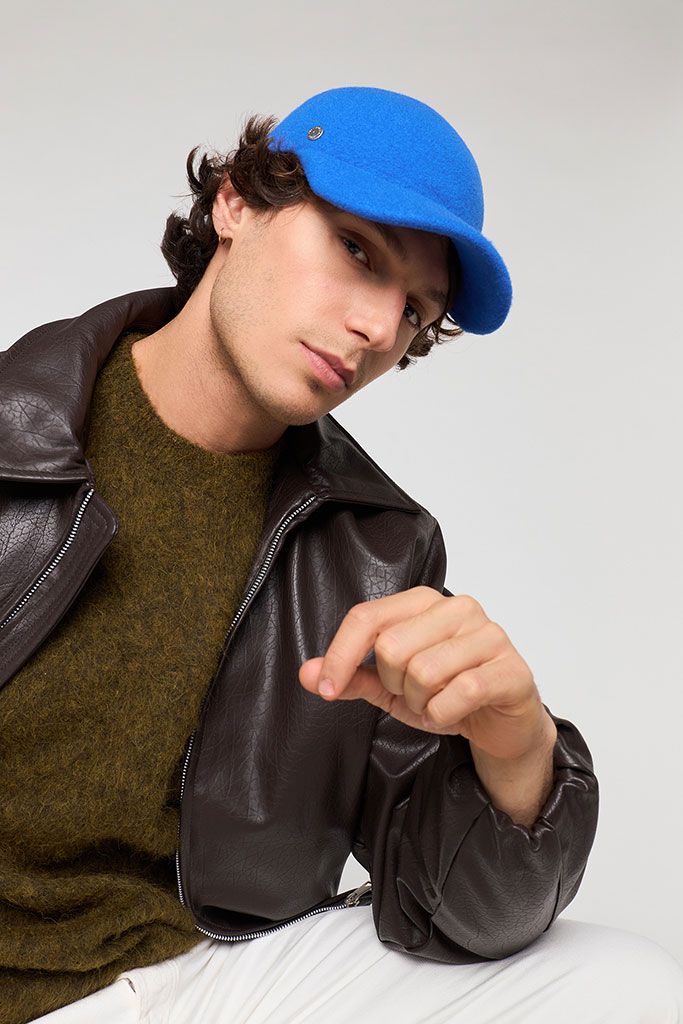
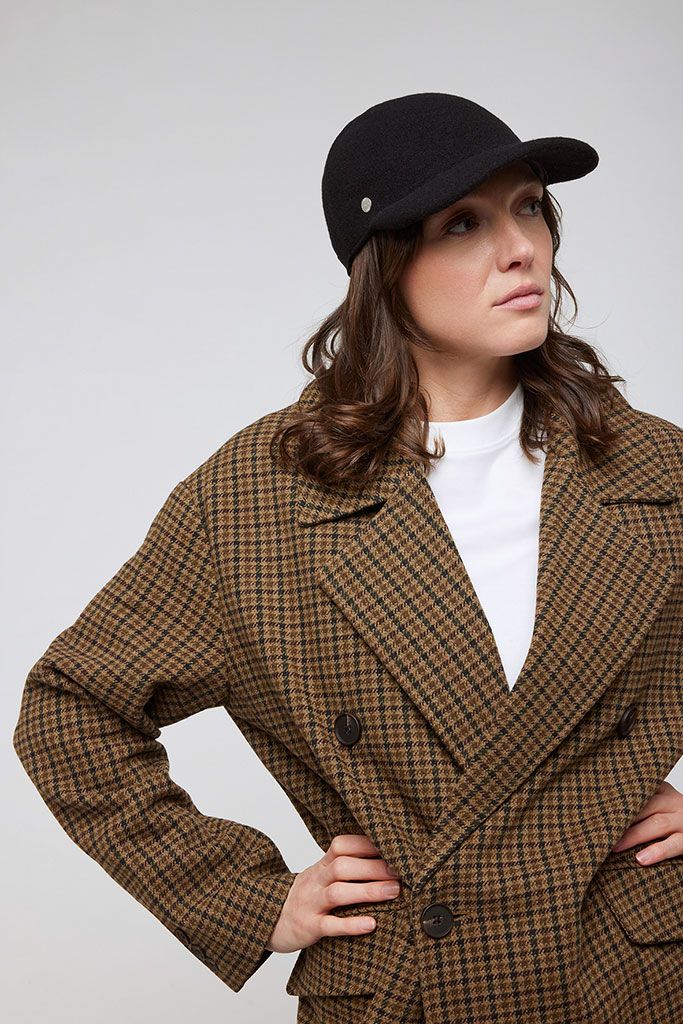
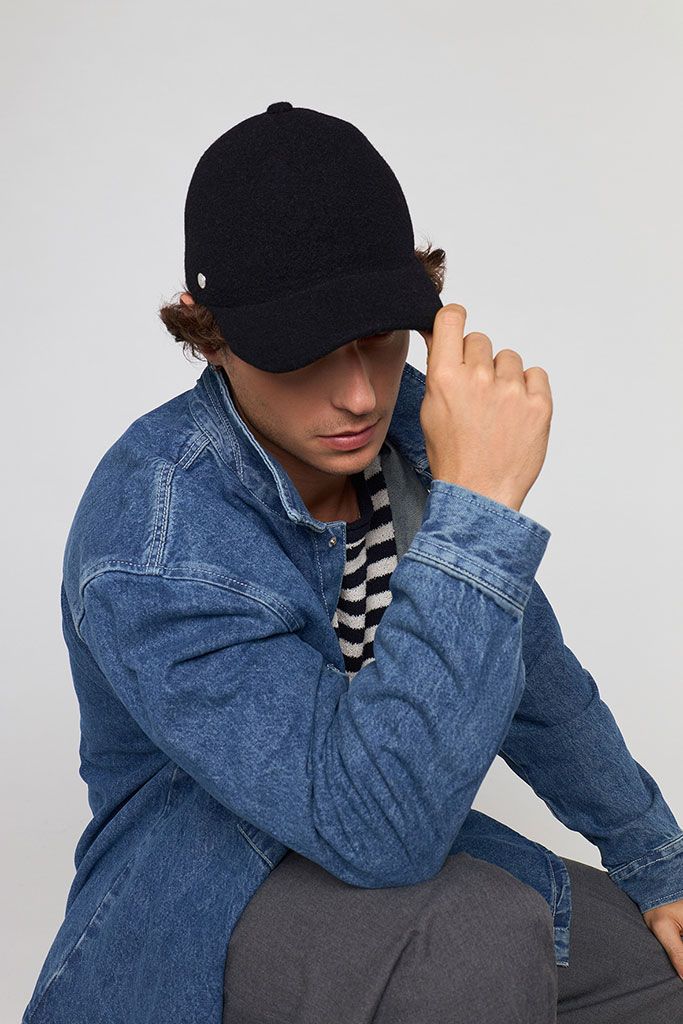
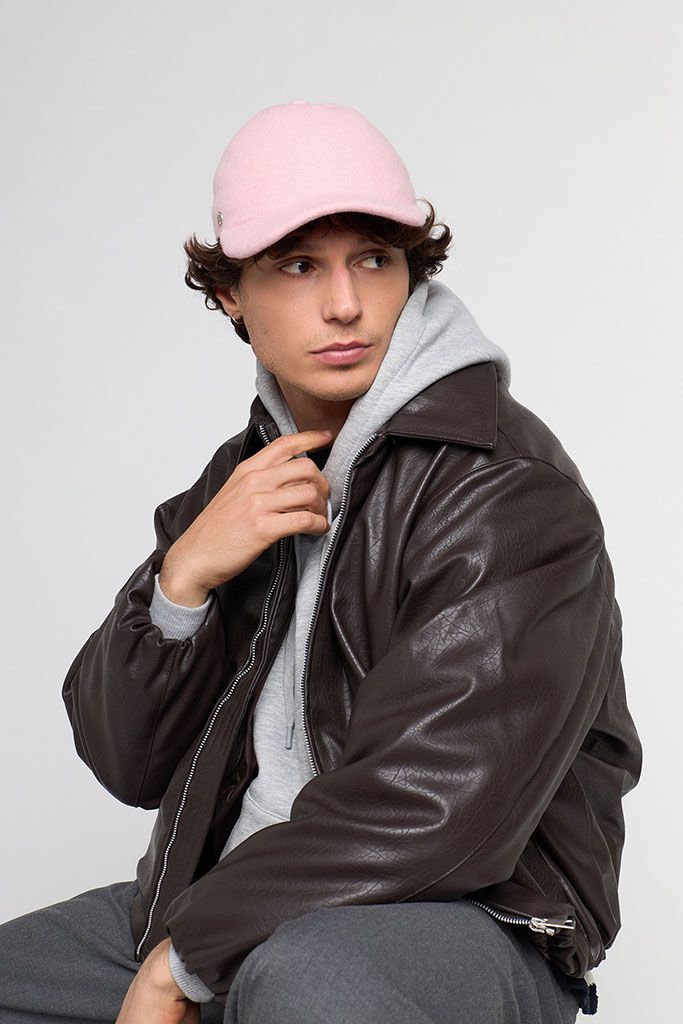
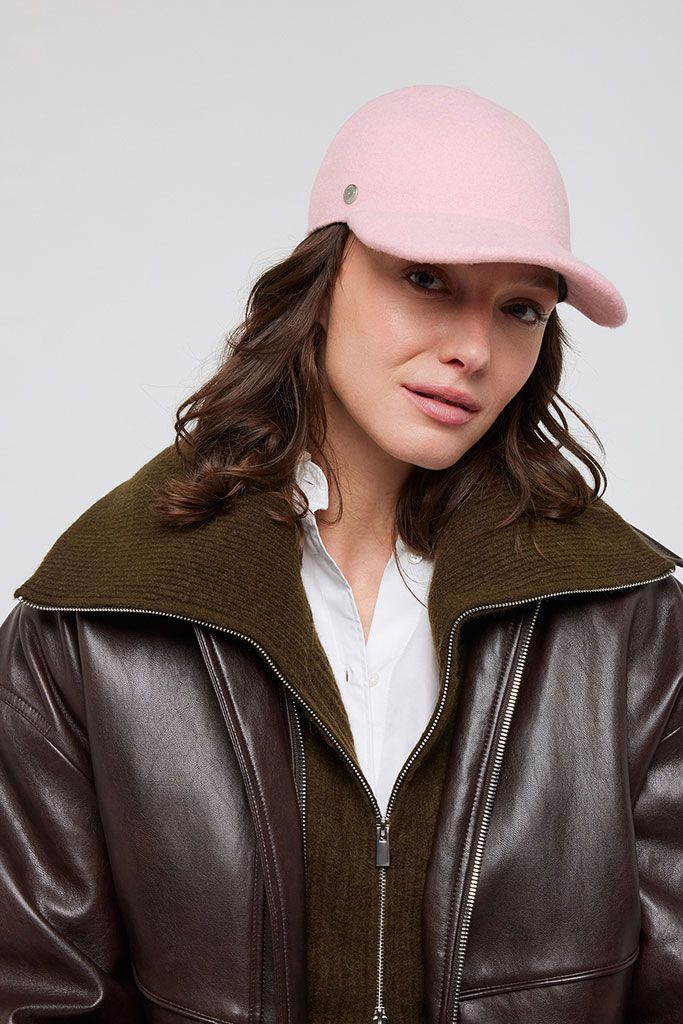
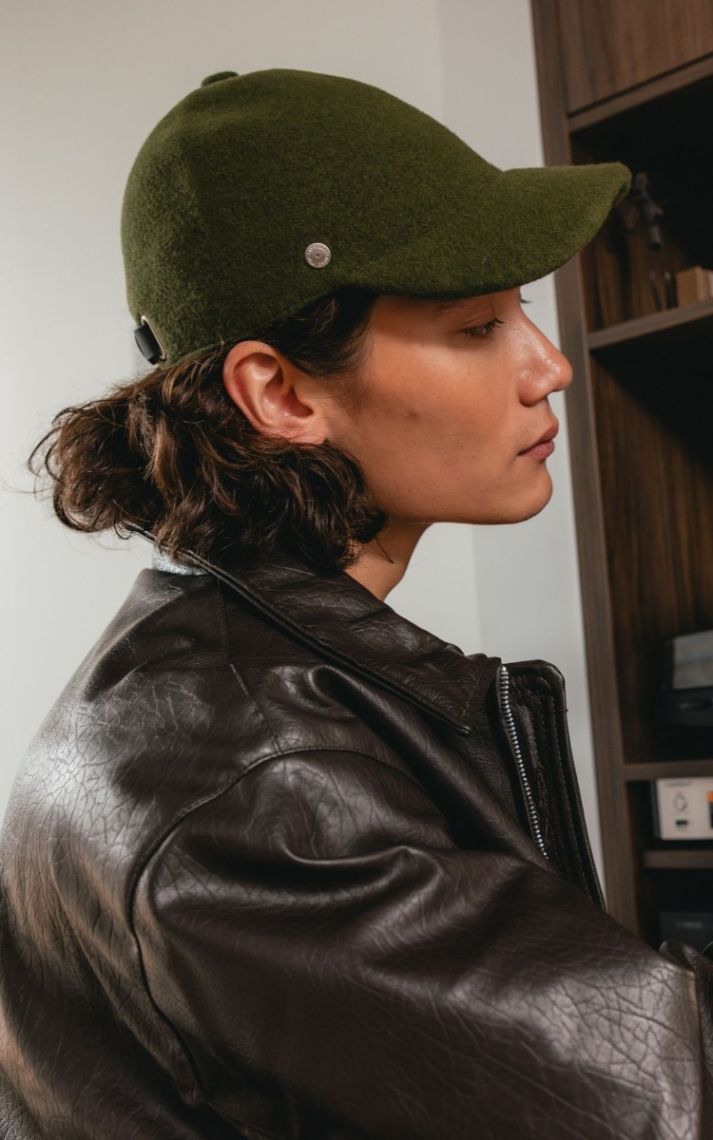
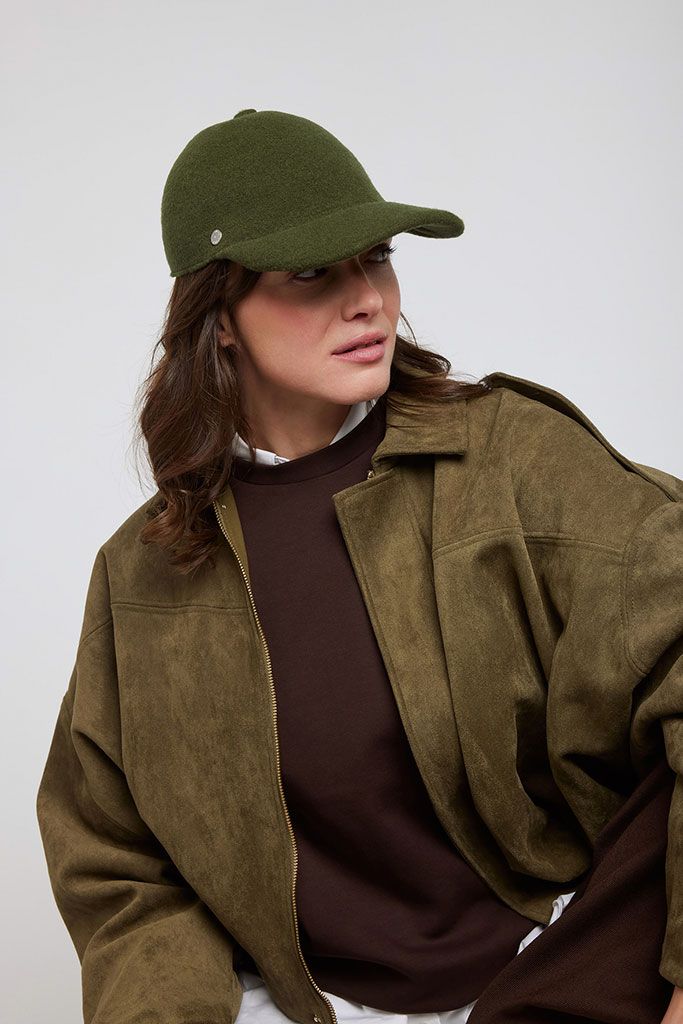
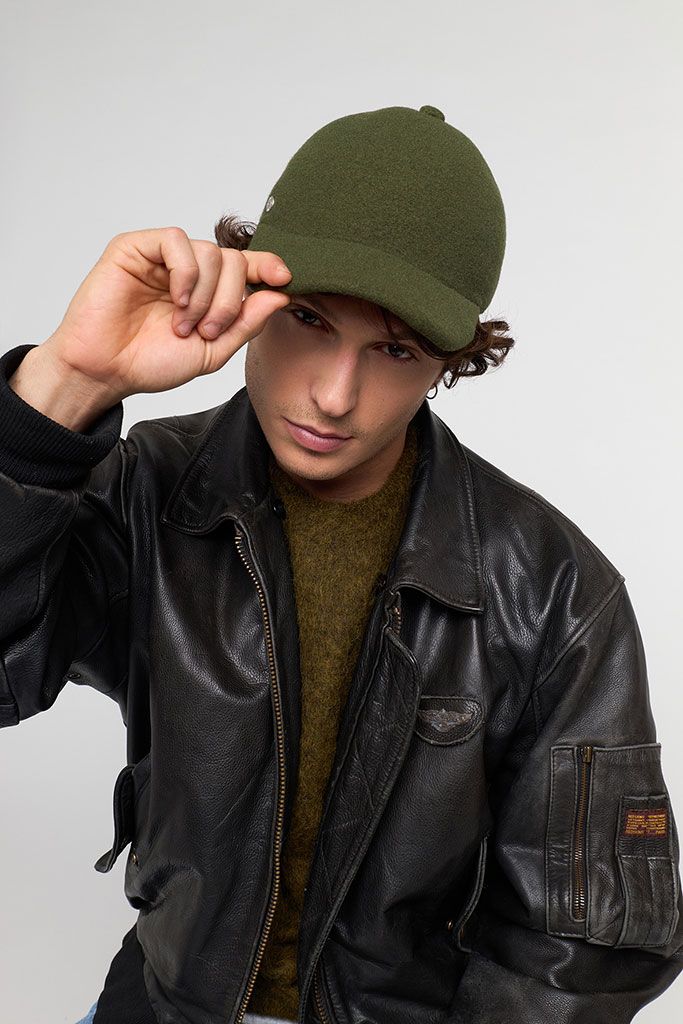
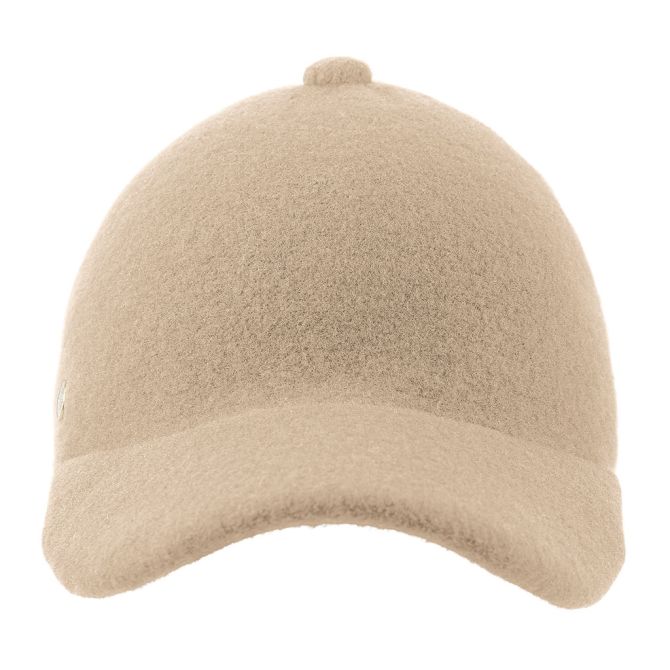
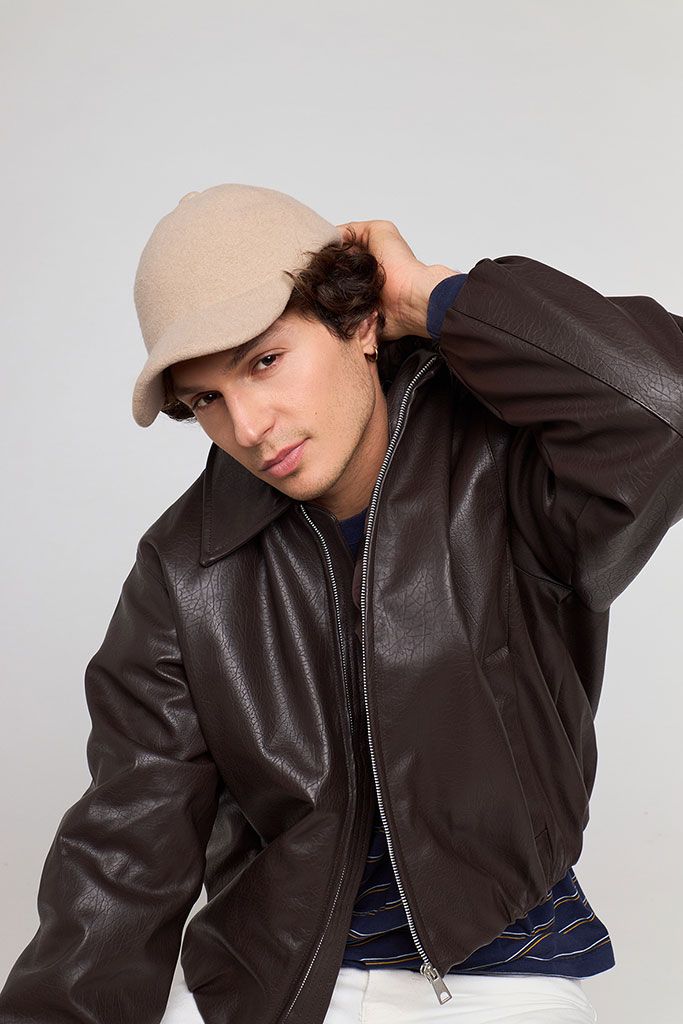
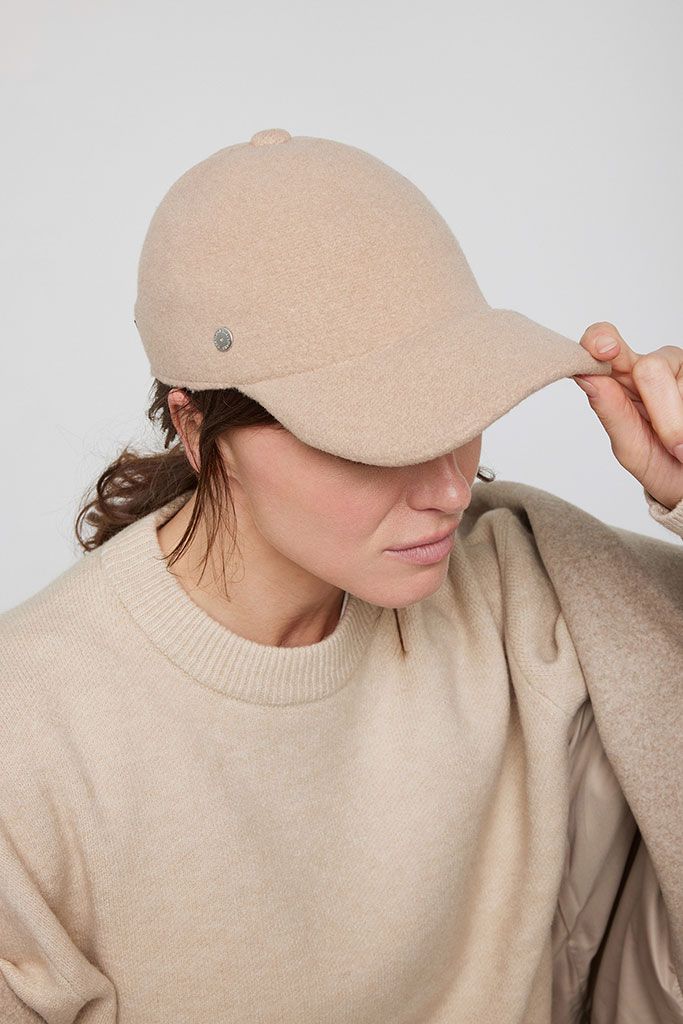
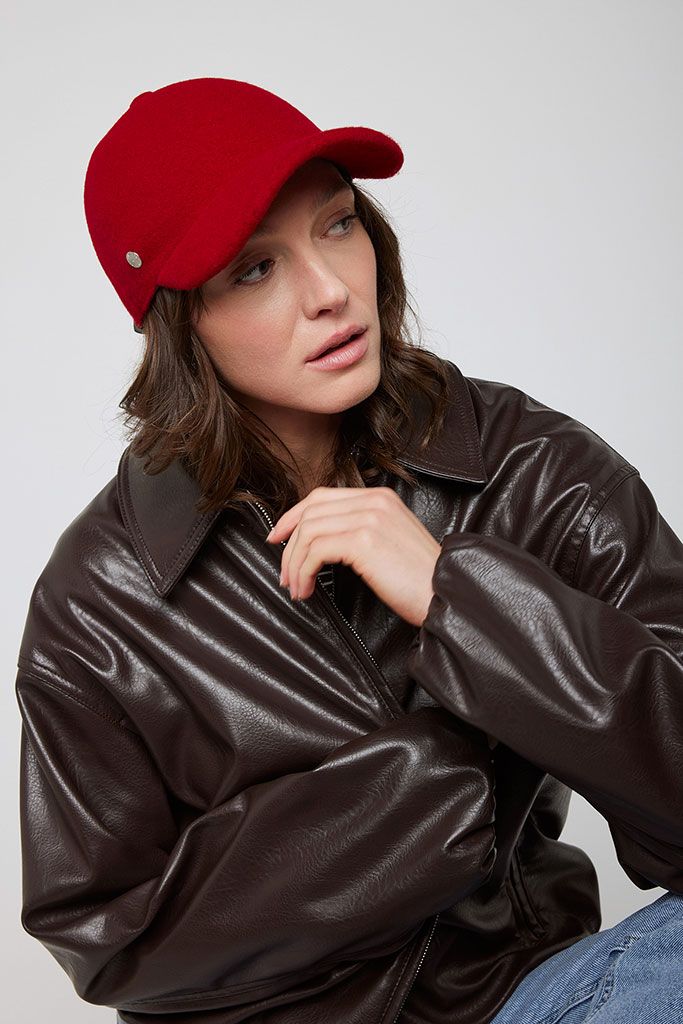
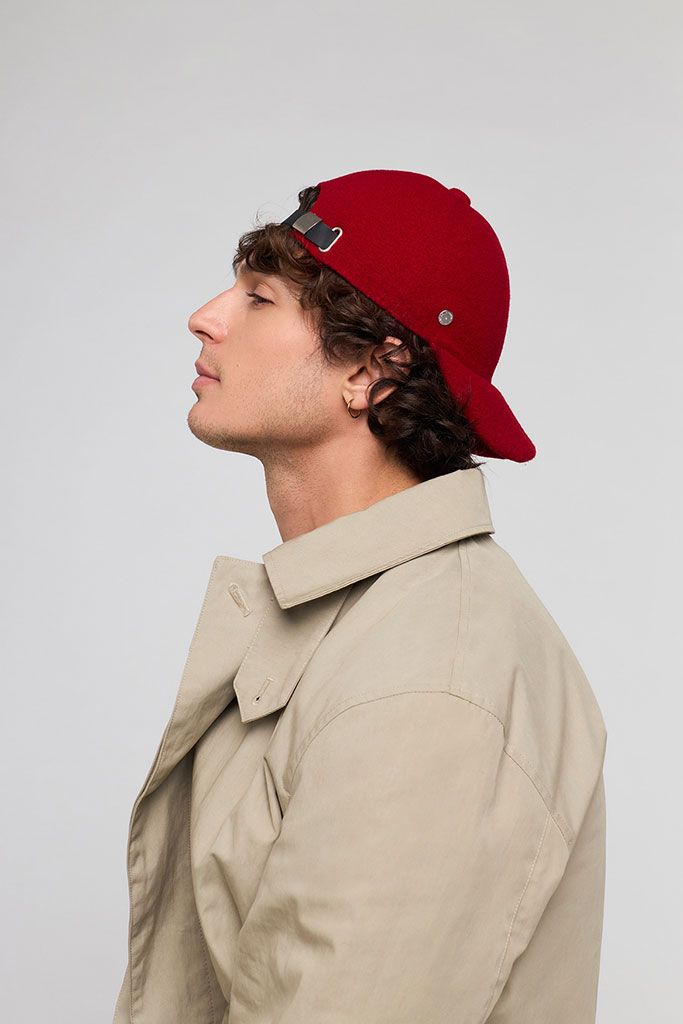
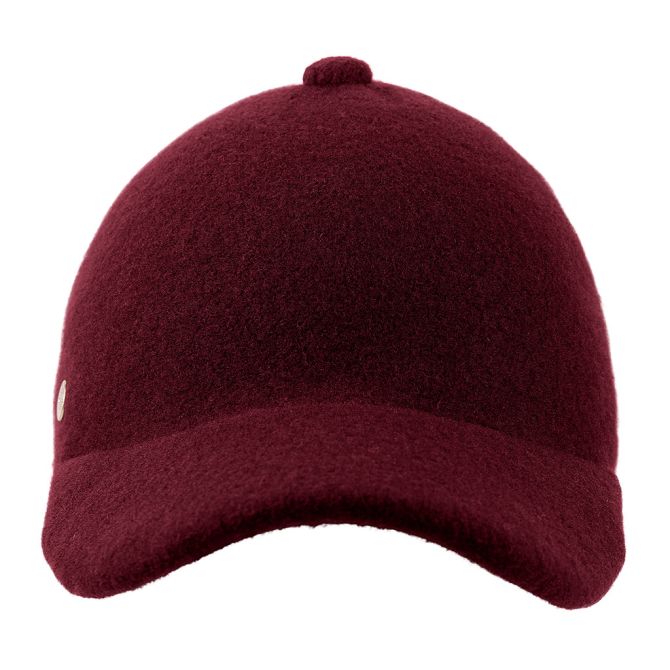
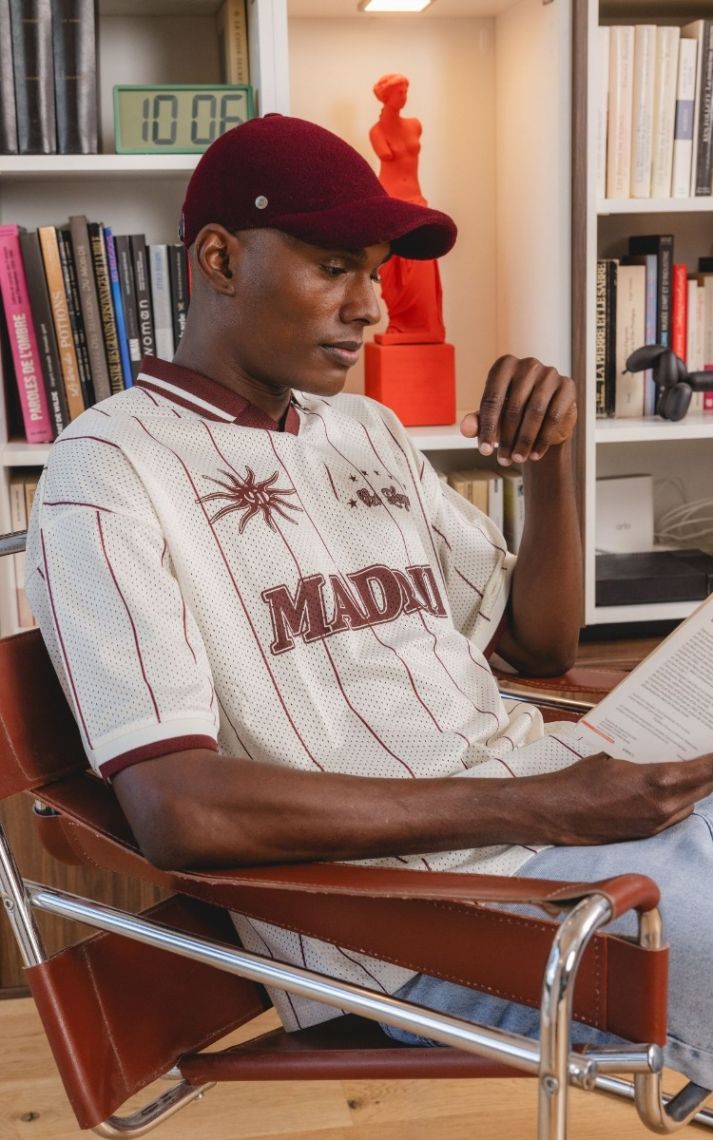
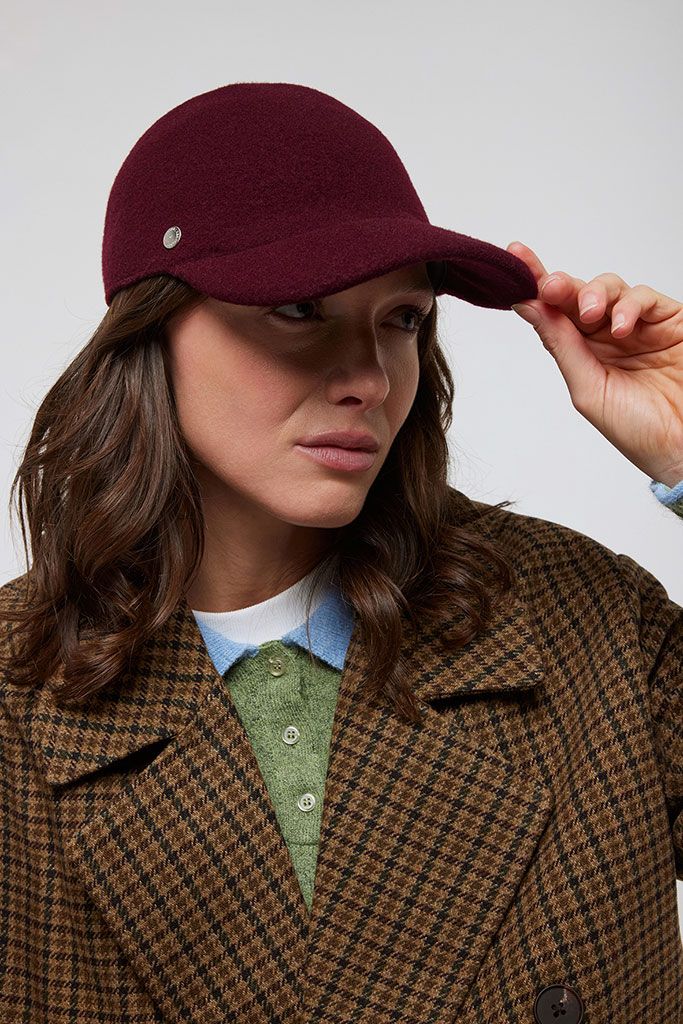
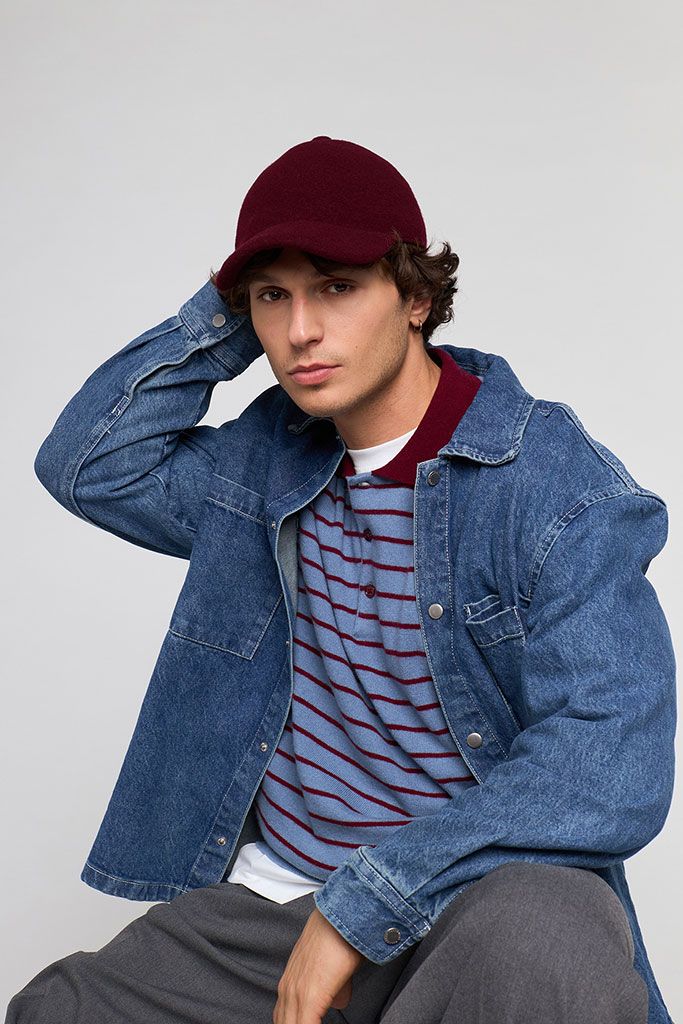
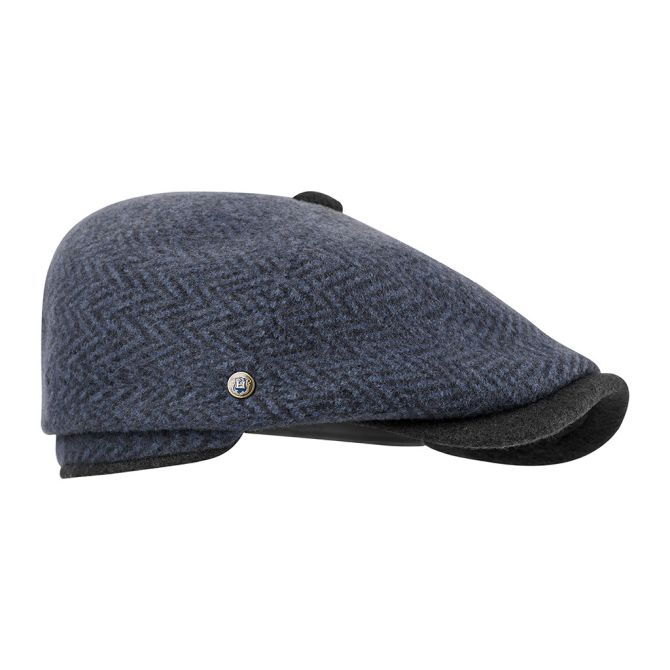
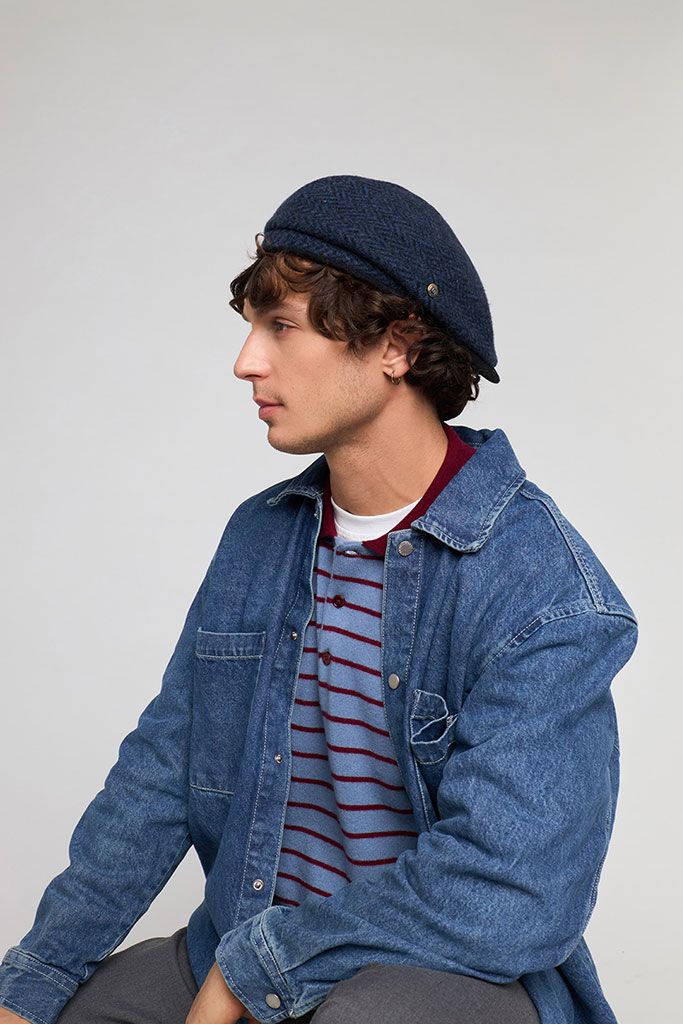
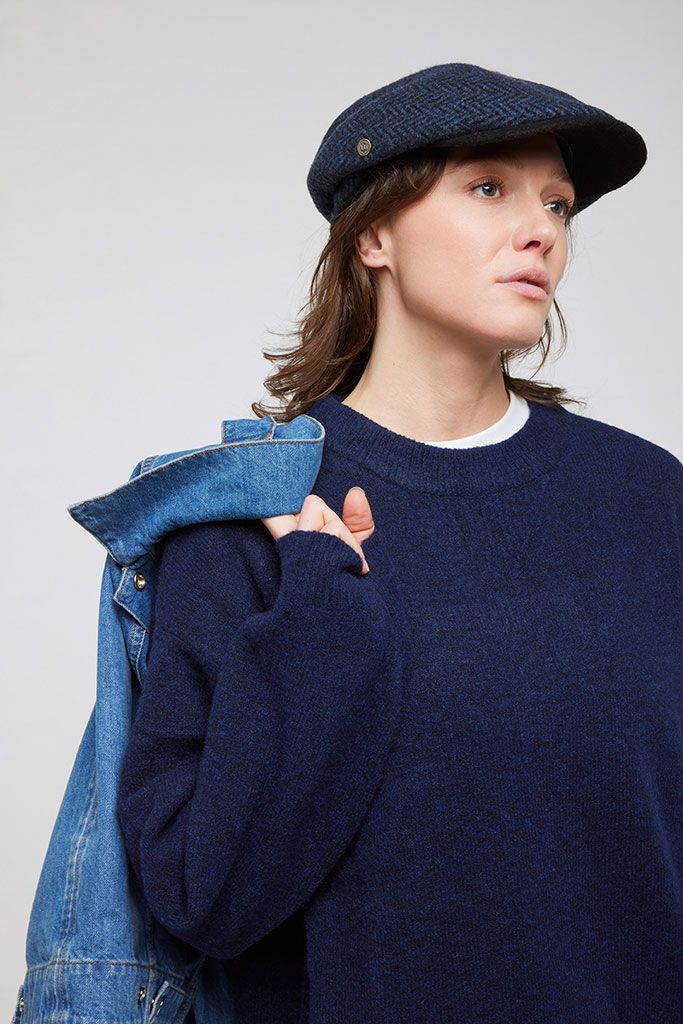
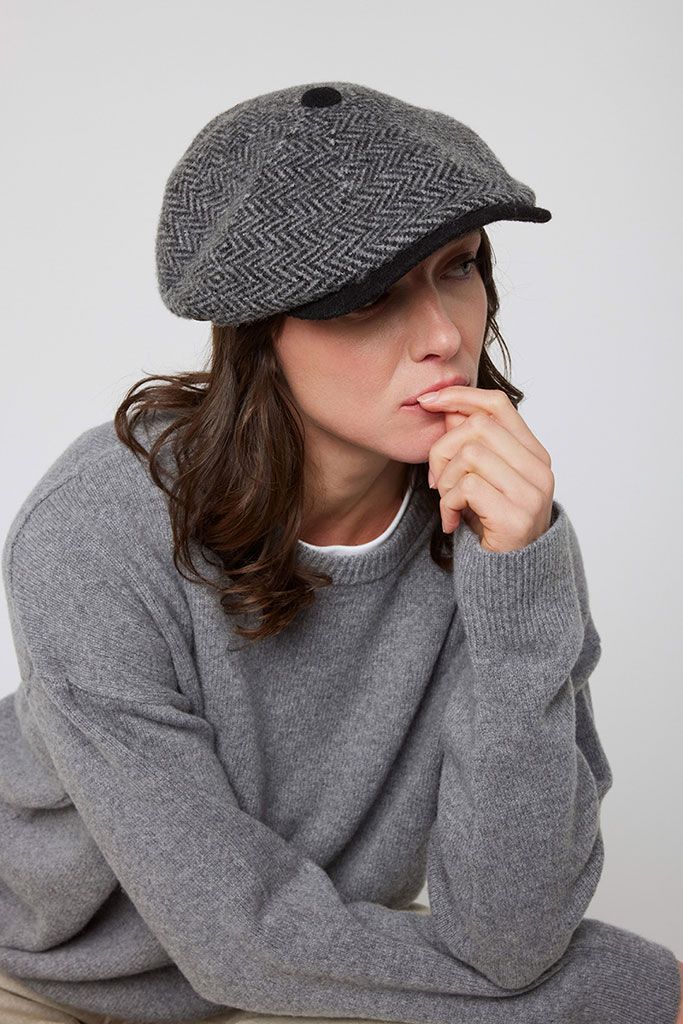
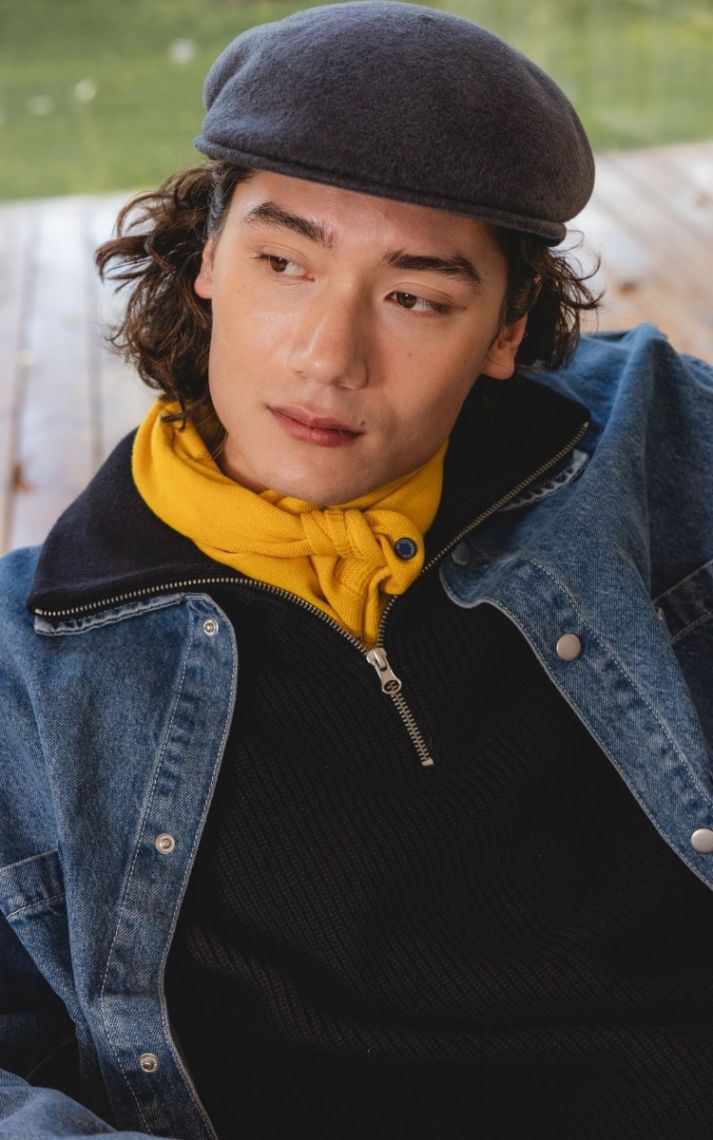
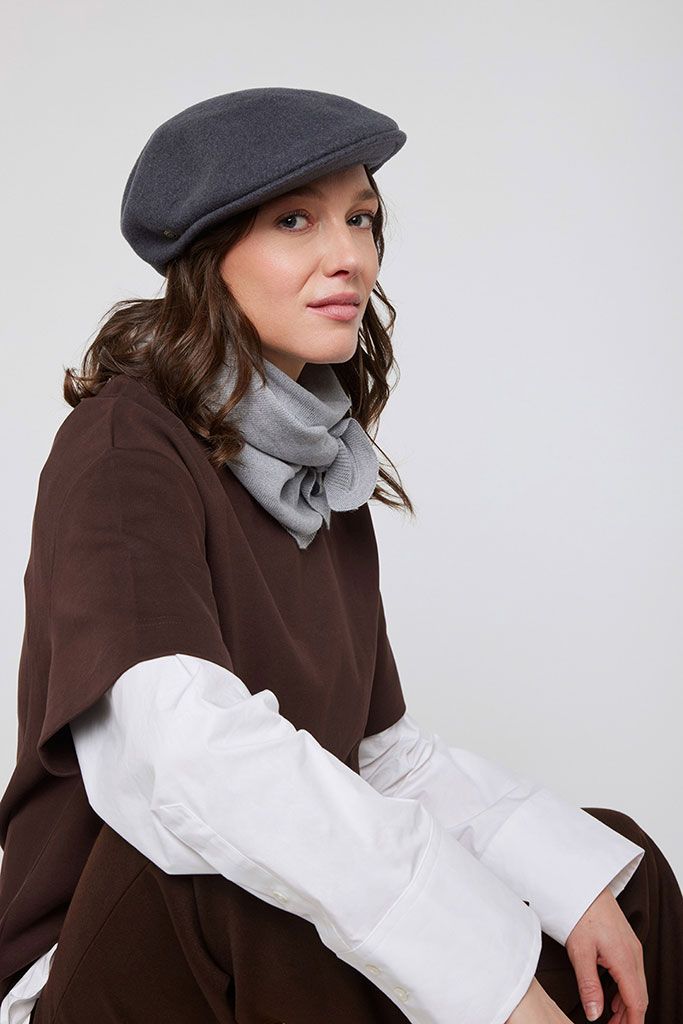
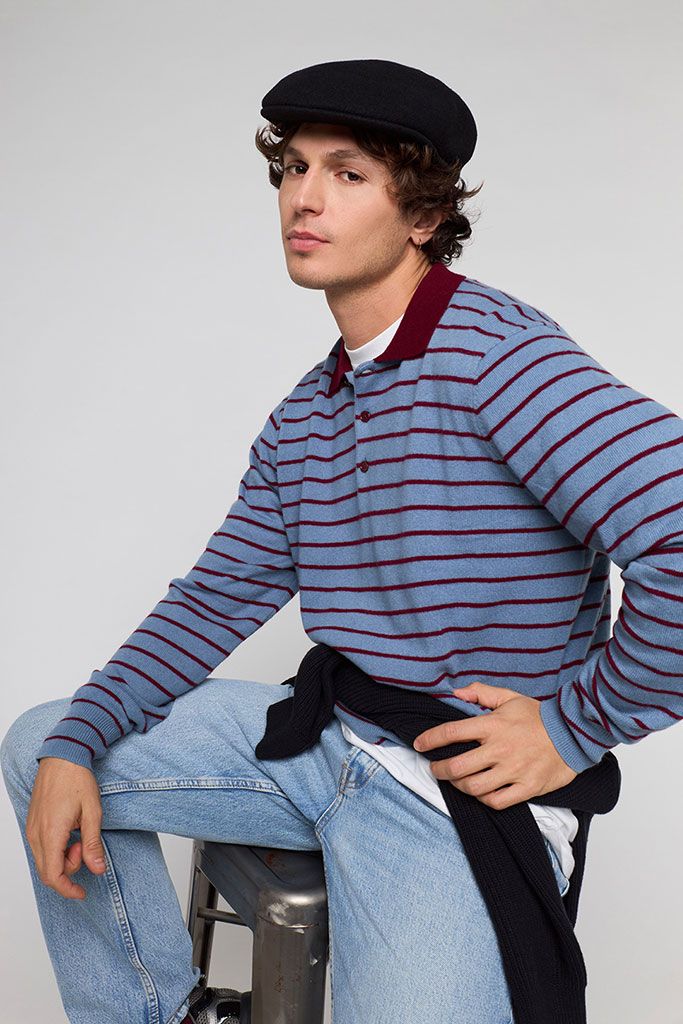
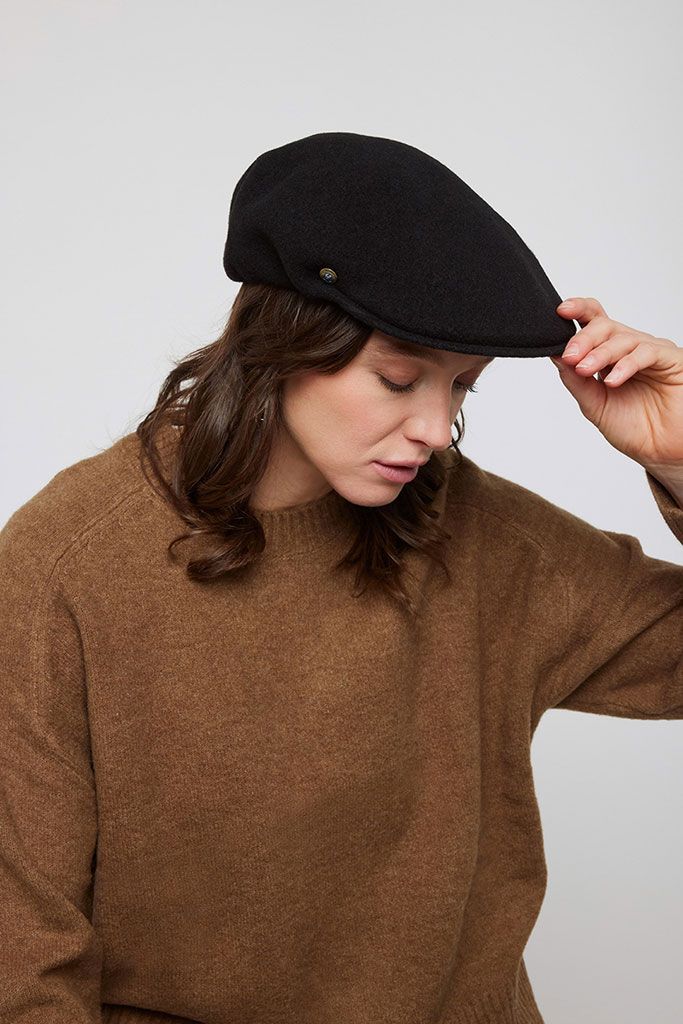
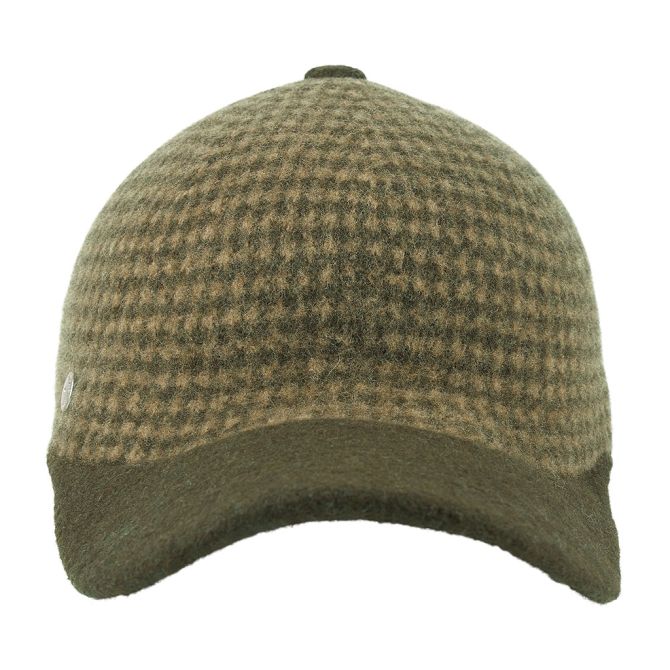
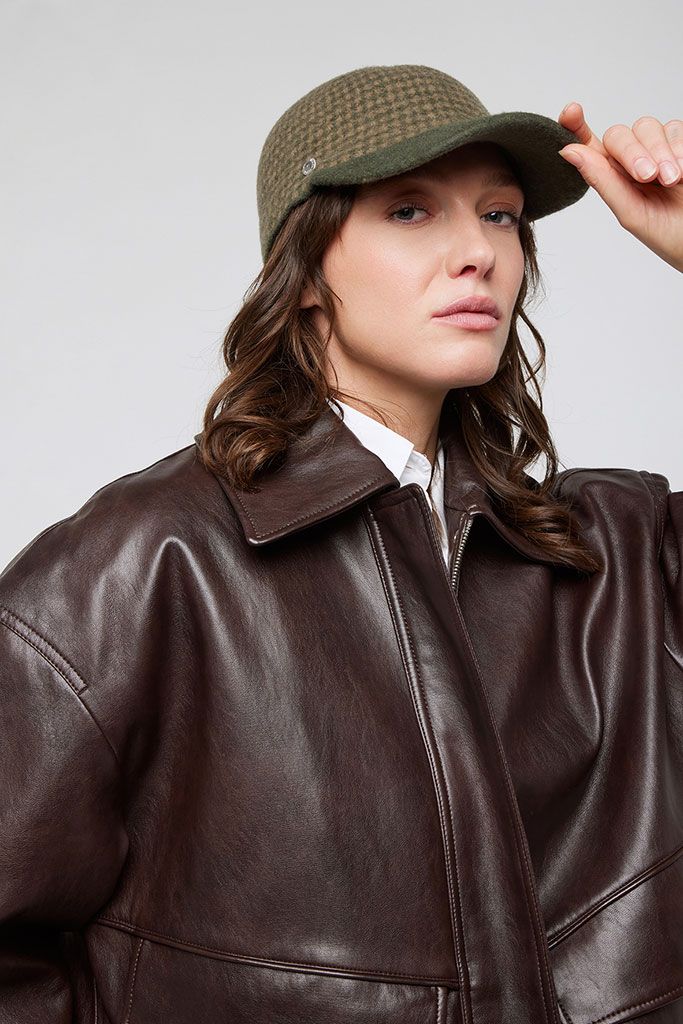
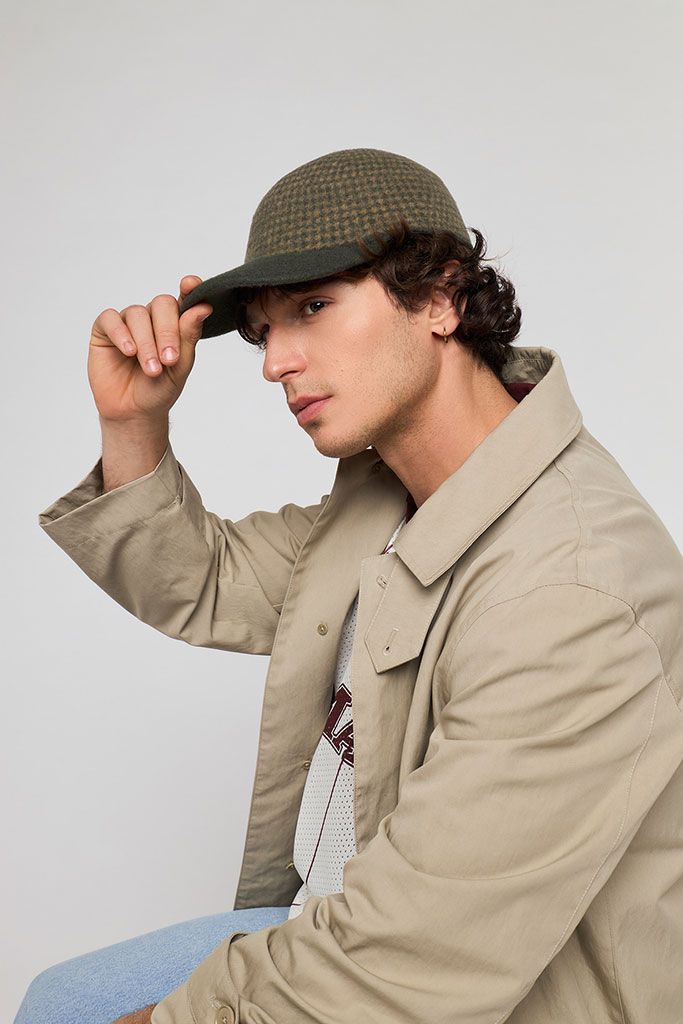
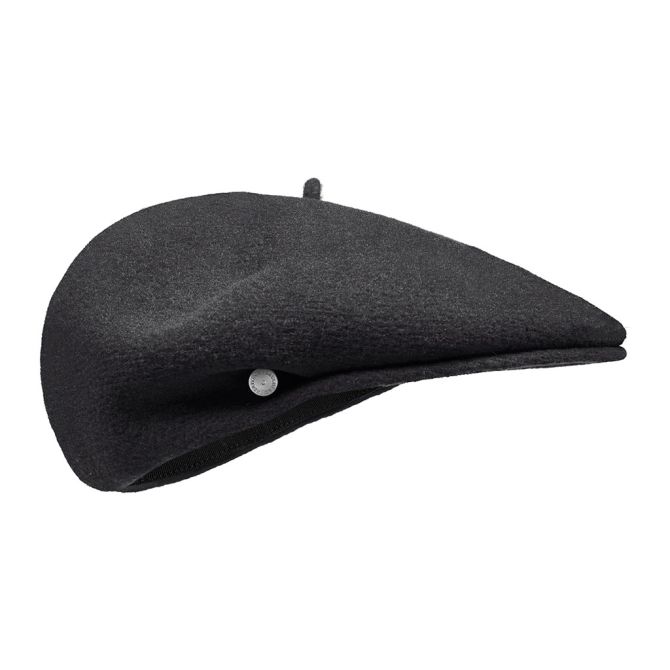
The flat cap, sometimes known as the English style, remains the most understated and versatile. The newsboy cap, also sometimes called an Irish cap, introduces greater volume and a more distinctive look. The felt baseball cap borrows its silhouette from sportswear, but not its material.
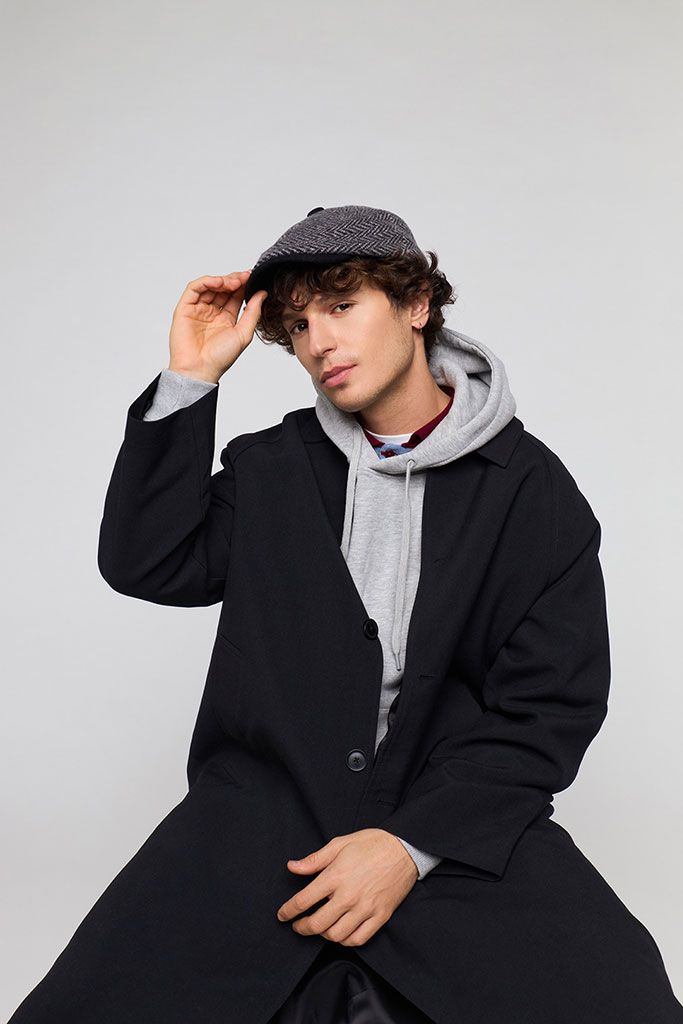
Every shape is unisex, with no difference in cut between a women’s and men’s wool cap. Style and colour create the distinction, not the product itself. All are available in an adjustable one-size fit designed to suit a wide range of head sizes.
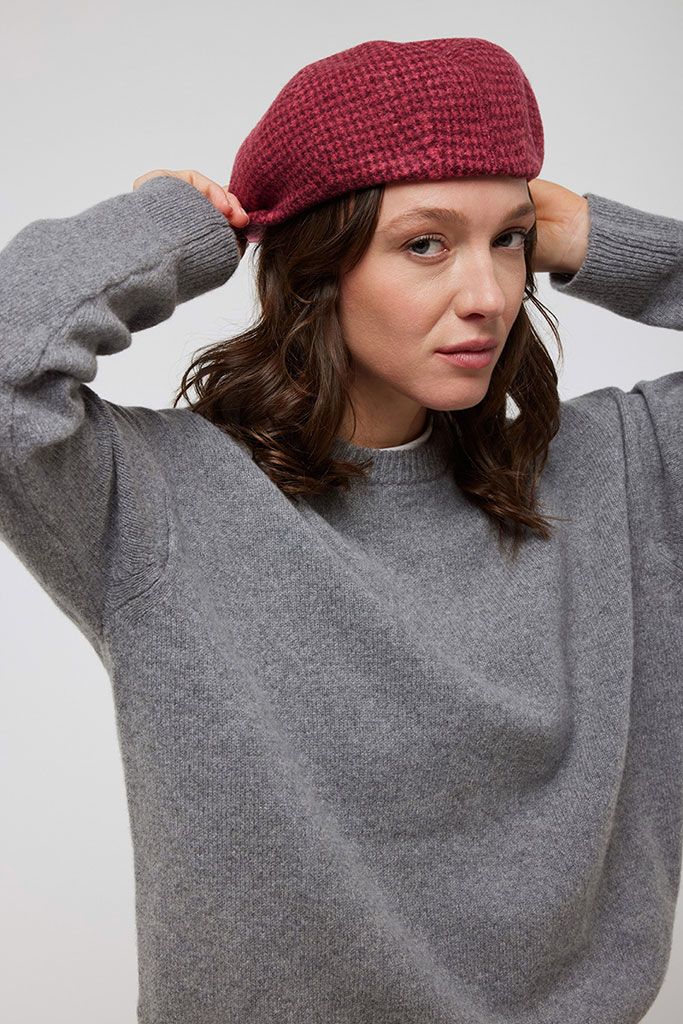
Explore all our French-made caps, our women’s caps and men’s caps, or discover our merino wool berets, made in the same workshop.